 sales@cnmxv.cn
 86-577-67389088




News & Events
The Desuperheating Feedwater Regulating Valve: Enhancing Efficiency in Power Generation
Release time: 2023-11-07
In modern power generation plants, maintaining optimal operating conditions is crucial for maximizing efficiency and reducing energy consumption. One critical component that plays a vital role in achieving these goals is the desuperheating feedwater regulating valve. This article explores the significance of the desuperheating feedwater regulating valve and its impact on power plant operations.
Desuperheating:
Desuperheating is the process of reducing the superheat temperature in steam systems. As steam passes through turbines, it typically carries high energy and temperature. However, an excessive superheat temperature can lead to equipment damage and reduced performance. This is where the desuperheating process becomes essential. The desuperheating feedwater regulating valve helps control and regulate the temperature, maintaining it within safe operational limits.
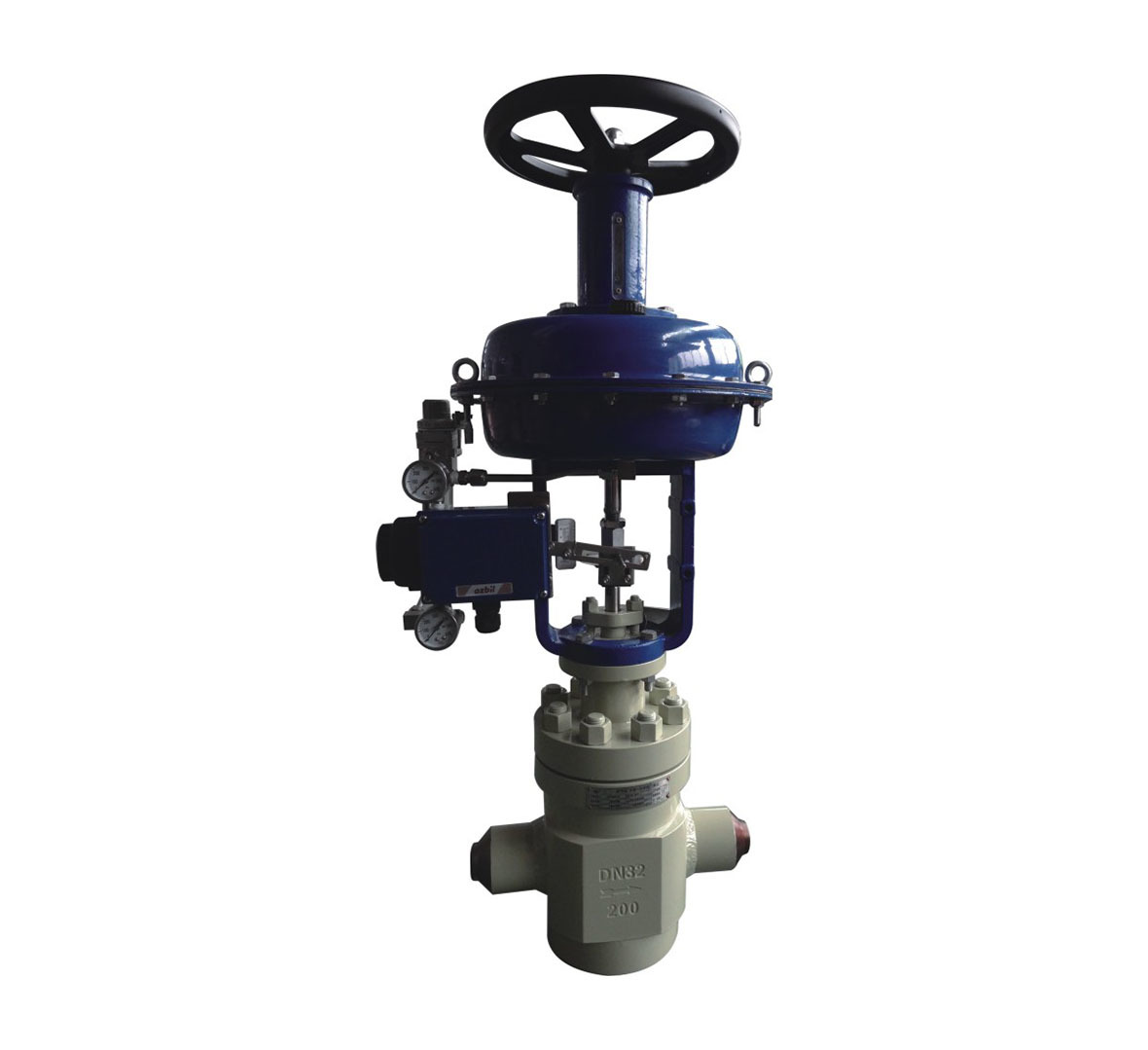
Feedwater Regulation:
Feedwater refers to the water supplied to the boiler to generate steam. The quality and specific conditions of the feedwater significantly influence the performance and efficiency of a power plant. The desuperheating feedwater regulating valve ensures precise regulation of the temperature and pressure of the feedwater before it reaches the boiler. This control optimizes the combustion process and enhances overall efficiency.
Valve Functionality:
The desuperheating feedwater regulating valve operates by receiving signals from various sensors throughout the steam system. These sensors continuously monitor the temperature and pressure conditions. The valve adjusts the flow rate of the feedwater based on the signals received. By precisely controlling the temperature and pressure, it prevents overheating while optimizing thermal efficiency.
Benefits of the Desuperheating Feedwater Regulating Valve:
1. Enhanced Operational Safety: By maintaining steam temperature within safe limits, the desuperheating feedwater regulating valve minimizes the risk of equipment failure and ensures the safety of the power generation plant.
2. Improved Efficiency: Optimal feedwater temperature regulation results in improved heat transfer, reduced energy losses, and increased overall efficiency. This leads to cost savings and a more sustainable power generation process.
3. Increased Equipment Lifespan: By preventing overheating, the desuperheating feedwater regulating valve protects critical components such as turbine blades and steam lines from thermal stress, thereby extending their lifespan.
4. Environmental Considerations: Efficient control of feedwater temperature and pressure reduces unnecessary energy consumption, resulting in lower greenhouse gas emissions and a smaller environmental footprint.
The desuperheating feedwater regulating valve is a critical component in modern power generation plants. By precisely regulating the temperature and pressure of the feedwater, it ensures safe and efficient operation, optimizes thermal performance, and contributes to the longevity of equipment. Implementing and maintaining this valve technology is crucial for achieving sustainable and cost-effective power generation.
Keywords: Desuperheating Feedwater Regulating Valve,Desuperheating Feedwater Regulating Valve company


What we offered to customers shall be our excellent products and distinguished services; our promises to customers shall be above anything else.
Contact Information
Add:Dong'ou Industrial Park (Industrial Park), Yongjia, Zhejiang
sales hotline:86-4009262680
Landline:86-0577-67389088
M.P:86-13819755838
传真:86-0577-67389099
邮箱:sale@cnmxv.cn·
