 sales@cnmxv.cn
 86-577-67389088
Share to




News & Events
Inlet Valves in Focus: Driving Manufacturing Excellence
Release time: 2025-02-16
Inlet Valves in Focus: Driving Manufacturing Excellence
Table of Contents
- Introduction to Inlet Valves in Manufacturing
- Understanding the Functionality of Inlet Valves
- Types of Inlet Valves and Their Applications
- The Importance of Material Selection for Inlet Valves
- Innovative Technologies in Inlet Valve Design
- Best Practices for Inlet Valve Maintenance
- Future Trends in Inlet Valve Technology
- FAQs About Inlet Valves
Introduction to Inlet Valves in Manufacturing
In the highly competitive landscape of manufacturing, **inlet valves** play a pivotal role in ensuring operational efficiency and reliability. These valves control the entry of fluids, gases, and other substances into various systems, impacting everything from production rates to system safety. As industries continue to evolve, understanding the intricacies of inlet valves becomes essential for achieving **manufacturing excellence**.
Understanding the Functionality of Inlet Valves
Inlet valves serve as gatekeepers in manufacturing processes. Their primary function is to control the flow of fluids into systems, ensuring that operations run smoothly. They prevent backflow, regulate pressure, and can be adjusted to meet specific flow requirements. The design and functionality of these valves vary significantly based on the application, making it crucial to choose the right inlet valve for each unique manufacturing setup.
Types of Inlet Valves and Their Applications
The manufacturing industry utilizes various types of inlet valves, each tailored for specific applications. Understanding these types can aid manufacturers in selecting the best fit for their needs.
1. Gate Valves
Gate valves are commonly used for on/off control of flow. They are not as suitable for throttling flow but are excellent for applications requiring low-pressure drops. Industries such as water supply and wastewater treatment frequently rely on gate valves due to their ability to handle large volumes of fluid.
2. Globe Valves
Globe valves are ideal for throttling applications. Their design promotes a smooth flow path, which minimizes turbulence. This valve type is prevalent in oil and gas industries, where flow control is critical for operational safety and efficiency.
3. Ball Valves
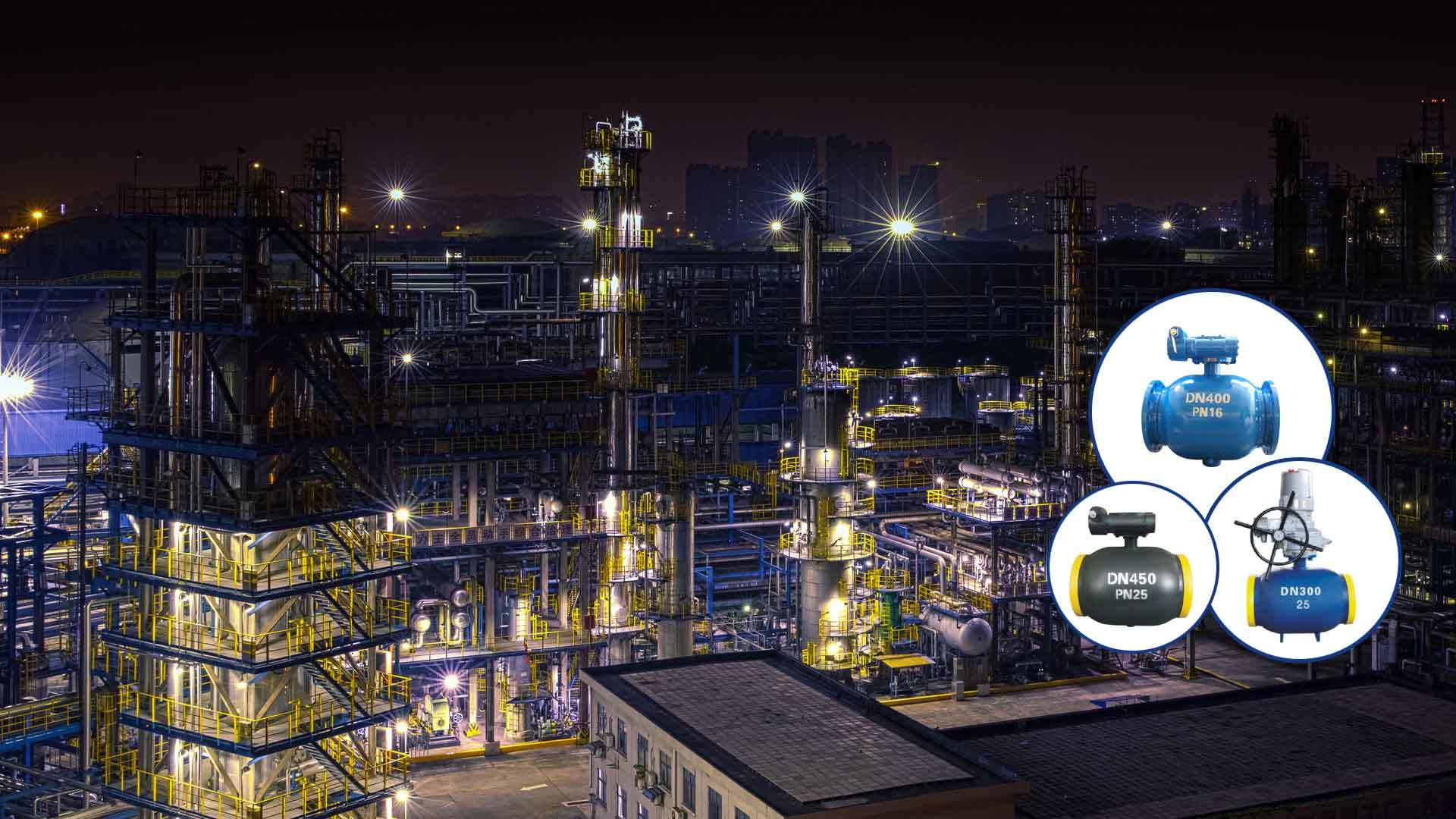
Ball valves provide excellent sealing capabilities and are known for their durability and reliability. They offer quick shut-off capabilities and are widely used in applications requiring high flow rates, such as chemical processing and water distribution.
4. Check Valves
Check valves are designed to prevent backflow, ensuring that fluids flow in one direction only. They are critical in systems where backflow could cause contamination or system failures, commonly used in plumbing and industrial applications.
The Importance of Material Selection for Inlet Valves
Material selection is a crucial factor in the performance and longevity of inlet valves. **Corrosion resistance**, temperature tolerance, and mechanical strength are vital considerations. Common materials include stainless steel, brass, and various plastics, each serving specific environments and operational demands. Understanding the conditions under which the valves will operate can significantly enhance the reliability and efficiency of manufacturing processes.
Innovative Technologies in Inlet Valve Design
The valve industry has seen significant technological advancements, including automation and smart technology integration. **Smart valves**, equipped with sensors and IoT capabilities, allow for real-time monitoring and control, improving efficiency and reducing maintenance costs. These innovations enable manufacturers to optimize processes and enhance system performance, driving overall manufacturing excellence.
Best Practices for Inlet Valve Maintenance
Ensuring the longevity and efficiency of inlet valves requires a commitment to regular maintenance. Best practices include:
- **Regular Inspection**: Conduct frequent checks to identify wear and tear.
- **Cleaning**: Remove debris and contaminants that may obstruct flow.
- **Lubrication**: Apply appropriate lubricants to ensure smooth operation.
- **Calibration**: Regularly calibrate valves to ensure they are functioning within set parameters.
Following these practices can prevent costly downtime and enhance the performance of manufacturing systems.
Future Trends in Inlet Valve Technology
As industries become increasingly focused on sustainability and efficiency, the future of inlet valve technology looks promising. Emerging trends include:
- **Eco-friendly Materials**: Development of sustainable materials for valve construction.
- **Advanced Automation**: Integration of AI and machine learning for smarter valve operation.
- **Predictive Maintenance**: Utilizing big data to predict failures and schedule maintenance proactively.
These innovations will not only enhance operational efficiency but also contribute to environmental sustainability in manufacturing processes.
FAQs About Inlet Valves
1. What is the primary function of inlet valves in manufacturing?
Inlet valves control the flow of fluids into systems, ensuring operational efficiency and safety.
2. How do I choose the right inlet valve for my application?
Consider factors such as flow requirements, pressure ratings, and the type of fluid being transported.
3. What materials are commonly used for inlet valves?
Common materials include stainless steel, brass, and plastics, chosen based on the operational environment.
4. How often should inlet valves be maintained?
Regular maintenance should be performed based on usage and environmental conditions, ideally at least once a year.
5. What are smart valves and how do they benefit manufacturing?
Smart valves are equipped with sensors and IoT capabilities, allowing for real-time monitoring and control, improving efficiency and reducing maintenance costs.
Conclusion
Inlet valves are more than just components in a manufacturing setup; they are vital to achieving operational excellence and ensuring the smooth flow of processes. By understanding the different types of inlet valves, their applications, and maintenance practices, manufacturers can optimize their operations and drive efficiency. As technology continues to evolve, embracing innovations in inlet valve design will be essential for future success in the manufacturing industry.
Keywords: Inlet Valve

What we offered to customers shall be our excellent products and distinguished services; our promises to customers shall be above anything else.
Contact Information
Add:Dong'ou Industrial Park (Industrial Park), Yongjia, Zhejiang
sales hotline:86-4009262680
Landline:86-0577-67389088
M.P:86-13819755838
传真:86-0577-67389099
邮箱:sale@cnmxv.cn·
