 sales@cnmxv.cn
 86-577-67389088
Share to




News & Events
Exploring the Different Designs of All Welded Ball Valves: A Comprehensive Guide
Release time: 2023-11-26
Table of Contents:
1. Introduction to All Welded Ball Valves
2. Types of All Welded Ball Valves
2.1 Floating Ball Design
2.2 Trunnion Ball Design
2.3 Fully Welded Ball Design
2.4 Reduced Bore vs. Full Bore Ball Valves
3. Applications of All Welded Ball Valves
3.1 Oil and Gas Industry
3.2 Chemical Processing Plants
3.3 Power Generation Facilities
3.4 Water Treatment Systems
4. Advantages of All Welded Ball Valves
4.1 Enhanced Sealing Integrity
4.2 High Pressure and Temperature Resistance
4.3 Improved Durability and Reliability
4.4 Reduced Maintenance Requirements
5. Frequently Asked Questions (FAQs)
5.1 What is the working principle of an all welded ball valve?
5.2 Can I use an all welded ball valve for cryogenic applications?
5.3 How do I choose the right size for an all welded ball valve?
5.4 What materials are commonly used in the construction of all welded ball valves?
5.5 Are all welded ball valves suitable for both onshore and offshore applications?
6. Conclusion
1. Introduction to All Welded Ball Valves
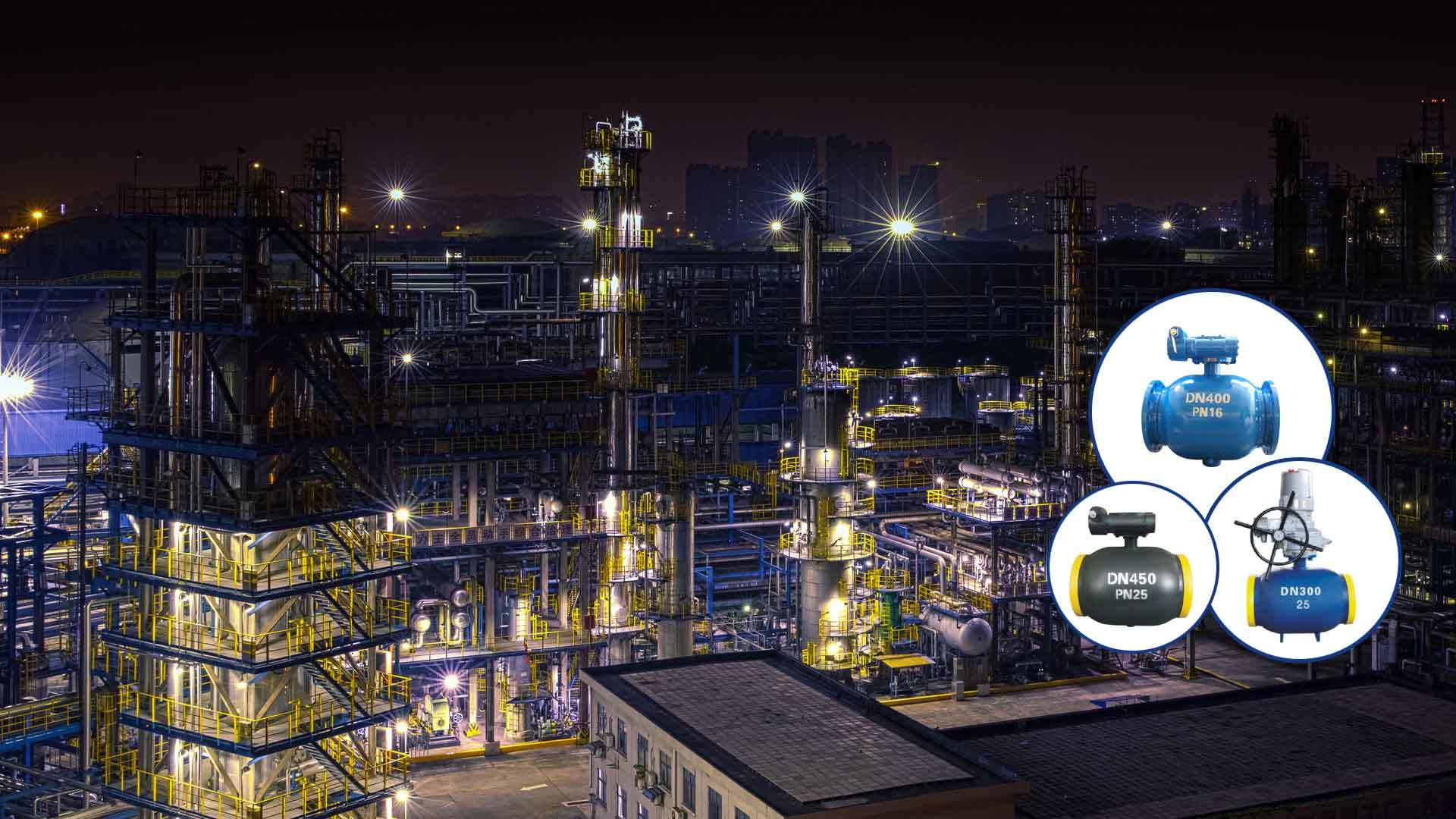
All welded ball valves are an integral component in the industrial equipment and components industry. They are generally used to control the flow of various fluids, gases, and liquids in pipelines and systems. These valves are highly efficient, durable, and offer excellent sealing capabilities.
2. Types of All Welded Ball Valves
2.1 Floating Ball Design
The floating ball design is one of the most common types of all welded ball valves. It features a floating ball that is not fixed to the stem, allowing it to move slightly to maintain proper sealing. This design is suitable for low to medium pressure applications.
2.2 Trunnion Ball Design
Trunnion ball valves have a fixed ball that is supported by trunnions, providing additional stability and improved sealing. These valves are ideal for high-pressure applications and offer better control over the flow rate.
2.3 Fully Welded Ball Design
Fully welded ball valves are characterized by a welded body, stem, and ball. These valves are designed to withstand extreme conditions, including high pressure and temperature. The fully welded design eliminates potential leakage points, ensuring reliable and long-lasting performance.
2.4 Reduced Bore vs. Full Bore Ball Valves
Reduced bore ball valves have a smaller ball opening, resulting in reduced flow capacity. On the other hand, full bore ball valves have a larger ball opening, allowing for higher flow rates. The choice between reduced bore and full bore depends on the specific application requirements.
3. Applications of All Welded Ball Valves
3.1 Oil and Gas Industry
All welded ball valves find extensive use in the oil and gas industry, where they are employed in pipelines, refineries, drilling rigs, and offshore platforms. These valves offer excellent performance even in harsh environments.
3.2 Chemical Processing Plants
Chemical processing plants require valves that can handle corrosive fluids and withstand high temperatures. All welded ball valves are suitable for such applications due to their robust construction and resistance to chemical attacks.
3.3 Power Generation Facilities
Power generation facilities, including thermal and nuclear power plants, rely on all welded ball valves for efficient flow control of steam, water, and other fluids. These valves ensure reliable operation and prevent leakage in critical systems.
3.4 Water Treatment Systems
Water treatment systems require reliable valves to regulate the flow of water and chemicals. All welded ball valves are commonly used in these systems due to their resistance to corrosion and ability to handle high pressures.
4. Advantages of All Welded Ball Valves
4.1 Enhanced Sealing Integrity
The all welded construction of these valves eliminates potential leakage points, ensuring superior sealing integrity and preventing fluid loss.
4.2 High Pressure and Temperature Resistance
All welded ball valves are designed to withstand high pressure and temperature conditions, making them suitable for demanding applications.
4.3 Improved Durability and Reliability
The robust construction and absence of external leakage points contribute to the durability and reliability of all welded ball valves, reducing maintenance requirements.
4.4 Reduced Maintenance Requirements
The welded design minimizes the need for frequent maintenance, resulting in cost savings and increased operational efficiency.
5. Frequently Asked Questions (FAQs)
5.1 What is the working principle of an all welded ball valve?
The working principle of an all welded ball valve involves the rotation of a ball to control the flow of fluids. When the ball is rotated 90 degrees, the bore aligns with the pipeline, allowing flow, while a 90-degree rotation closes the valve.
5.2 Can I use an all welded ball valve for cryogenic applications?
Yes, all welded ball valves can be designed and manufactured to withstand cryogenic temperatures, making them suitable for cryogenic applications.
5.3 How do I choose the right size for an all welded ball valve?
The size of an all welded ball valve depends on the flow rate and pipe diameter. It is essential to consider the requirements of the specific application and consult with industry professionals for proper sizing.
5.4 What materials are commonly used in the construction of all welded ball valves?
Materials commonly used in the construction of all welded ball valves include stainless steel, carbon steel, alloy steel, and special alloys depending on the fluid composition and operating conditions.
5.5 Are all welded ball valves suitable for both onshore and offshore applications?
Yes, all welded ball valves are suitable for both onshore and offshore applications. They are designed to withstand challenging environments, including corrosive offshore conditions.
6. Conclusion
In conclusion, all welded ball valves offer a wide range of designs and functionalities to meet diverse industrial requirements. Their robust construction, enhanced sealing integrity, and resistance to high pressure and temperature make them ideal for various applications, including oil and gas, chemical processing, power generation, and water treatment. By understanding the different designs and advantages of all welded ball valves, you can make informed choices for your specific needs and ensure efficient flow control in your systems.
1. Introduction to All Welded Ball Valves
2. Types of All Welded Ball Valves
2.1 Floating Ball Design
2.2 Trunnion Ball Design
2.3 Fully Welded Ball Design
2.4 Reduced Bore vs. Full Bore Ball Valves
3. Applications of All Welded Ball Valves
3.1 Oil and Gas Industry
3.2 Chemical Processing Plants
3.3 Power Generation Facilities
3.4 Water Treatment Systems
4. Advantages of All Welded Ball Valves
4.1 Enhanced Sealing Integrity
4.2 High Pressure and Temperature Resistance
4.3 Improved Durability and Reliability
4.4 Reduced Maintenance Requirements
5. Frequently Asked Questions (FAQs)
5.1 What is the working principle of an all welded ball valve?
5.2 Can I use an all welded ball valve for cryogenic applications?
5.3 How do I choose the right size for an all welded ball valve?
5.4 What materials are commonly used in the construction of all welded ball valves?
5.5 Are all welded ball valves suitable for both onshore and offshore applications?
6. Conclusion
1. Introduction to All Welded Ball Valves
All welded ball valves are an integral component in the industrial equipment and components industry. They are generally used to control the flow of various fluids, gases, and liquids in pipelines and systems. These valves are highly efficient, durable, and offer excellent sealing capabilities.
2. Types of All Welded Ball Valves
2.1 Floating Ball Design
The floating ball design is one of the most common types of all welded ball valves. It features a floating ball that is not fixed to the stem, allowing it to move slightly to maintain proper sealing. This design is suitable for low to medium pressure applications.
2.2 Trunnion Ball Design
Trunnion ball valves have a fixed ball that is supported by trunnions, providing additional stability and improved sealing. These valves are ideal for high-pressure applications and offer better control over the flow rate.
2.3 Fully Welded Ball Design
Fully welded ball valves are characterized by a welded body, stem, and ball. These valves are designed to withstand extreme conditions, including high pressure and temperature. The fully welded design eliminates potential leakage points, ensuring reliable and long-lasting performance.
2.4 Reduced Bore vs. Full Bore Ball Valves
Reduced bore ball valves have a smaller ball opening, resulting in reduced flow capacity. On the other hand, full bore ball valves have a larger ball opening, allowing for higher flow rates. The choice between reduced bore and full bore depends on the specific application requirements.
3. Applications of All Welded Ball Valves
3.1 Oil and Gas Industry
All welded ball valves find extensive use in the oil and gas industry, where they are employed in pipelines, refineries, drilling rigs, and offshore platforms. These valves offer excellent performance even in harsh environments.
3.2 Chemical Processing Plants
Chemical processing plants require valves that can handle corrosive fluids and withstand high temperatures. All welded ball valves are suitable for such applications due to their robust construction and resistance to chemical attacks.
3.3 Power Generation Facilities
Power generation facilities, including thermal and nuclear power plants, rely on all welded ball valves for efficient flow control of steam, water, and other fluids. These valves ensure reliable operation and prevent leakage in critical systems.
3.4 Water Treatment Systems
Water treatment systems require reliable valves to regulate the flow of water and chemicals. All welded ball valves are commonly used in these systems due to their resistance to corrosion and ability to handle high pressures.
4. Advantages of All Welded Ball Valves
4.1 Enhanced Sealing Integrity
The all welded construction of these valves eliminates potential leakage points, ensuring superior sealing integrity and preventing fluid loss.
4.2 High Pressure and Temperature Resistance
All welded ball valves are designed to withstand high pressure and temperature conditions, making them suitable for demanding applications.
4.3 Improved Durability and Reliability
The robust construction and absence of external leakage points contribute to the durability and reliability of all welded ball valves, reducing maintenance requirements.
4.4 Reduced Maintenance Requirements
The welded design minimizes the need for frequent maintenance, resulting in cost savings and increased operational efficiency.
5. Frequently Asked Questions (FAQs)
5.1 What is the working principle of an all welded ball valve?
The working principle of an all welded ball valve involves the rotation of a ball to control the flow of fluids. When the ball is rotated 90 degrees, the bore aligns with the pipeline, allowing flow, while a 90-degree rotation closes the valve.
5.2 Can I use an all welded ball valve for cryogenic applications?
Yes, all welded ball valves can be designed and manufactured to withstand cryogenic temperatures, making them suitable for cryogenic applications.
5.3 How do I choose the right size for an all welded ball valve?
The size of an all welded ball valve depends on the flow rate and pipe diameter. It is essential to consider the requirements of the specific application and consult with industry professionals for proper sizing.
5.4 What materials are commonly used in the construction of all welded ball valves?
Materials commonly used in the construction of all welded ball valves include stainless steel, carbon steel, alloy steel, and special alloys depending on the fluid composition and operating conditions.
5.5 Are all welded ball valves suitable for both onshore and offshore applications?
Yes, all welded ball valves are suitable for both onshore and offshore applications. They are designed to withstand challenging environments, including corrosive offshore conditions.
6. Conclusion
In conclusion, all welded ball valves offer a wide range of designs and functionalities to meet diverse industrial requirements. Their robust construction, enhanced sealing integrity, and resistance to high pressure and temperature make them ideal for various applications, including oil and gas, chemical processing, power generation, and water treatment. By understanding the different designs and advantages of all welded ball valves, you can make informed choices for your specific needs and ensure efficient flow control in your systems.
Keywords: all welded ball valve

What we offered to customers shall be our excellent products and distinguished services; our promises to customers shall be above anything else.
Contact Information
Add:Dong'ou Industrial Park (Industrial Park), Yongjia, Zhejiang
sales hotline:86-4009262680
Landline:86-0577-67389088
M.P:86-13819755838
传真:86-0577-67389099
邮箱:sale@cnmxv.cn·
