 sales@cnmxv.cn
 86-577-67389088
Share to




News & Events
Natural Gas Ball Valves: Ensuring Safety and Efficiency in Industrial Operations
Release time: 2023-12-10
Table of Contents:
1. Introduction: The Significance of Natural Gas Ball Valves
2. Understanding Natural Gas Ball Valves
2.1 What Are Natural Gas Ball Valves?
2.2 Types of Natural Gas Ball Valves
3. The Importance of Safety in Natural Gas Operations
3.1 Safety Considerations in Natural Gas Systems
3.2 How Natural Gas Ball Valves Enhance Safety
4. Ensuring Efficiency with Natural Gas Ball Valves
4.1 The Role of Natural Gas Ball Valves in Industrial Processes
4.2 Benefits of Using Natural Gas Ball Valves
5. Features and Design of Natural Gas Ball Valves
5.1 Construction and Material Selection
5.2 Key Design Considerations
6. Choosing the Right Natural Gas Ball Valve
6.1 Factors to Consider
6.2 Maintenance and Service Requirements
7. Frequently Asked Questions (FAQs)
7.1 How do natural gas ball valves work?
7.2 What are the common applications of natural gas ball valves?
7.3 How do natural gas ball valves contribute to energy efficiency?
7.4 What safety features should I look for in natural gas ball valves?
7.5 How often should natural gas ball valves be inspected?
8. Conclusion: Ensuring Safety and Efficiency with Natural Gas Ball Valves
1. Introduction: The Significance of Natural Gas Ball Valves
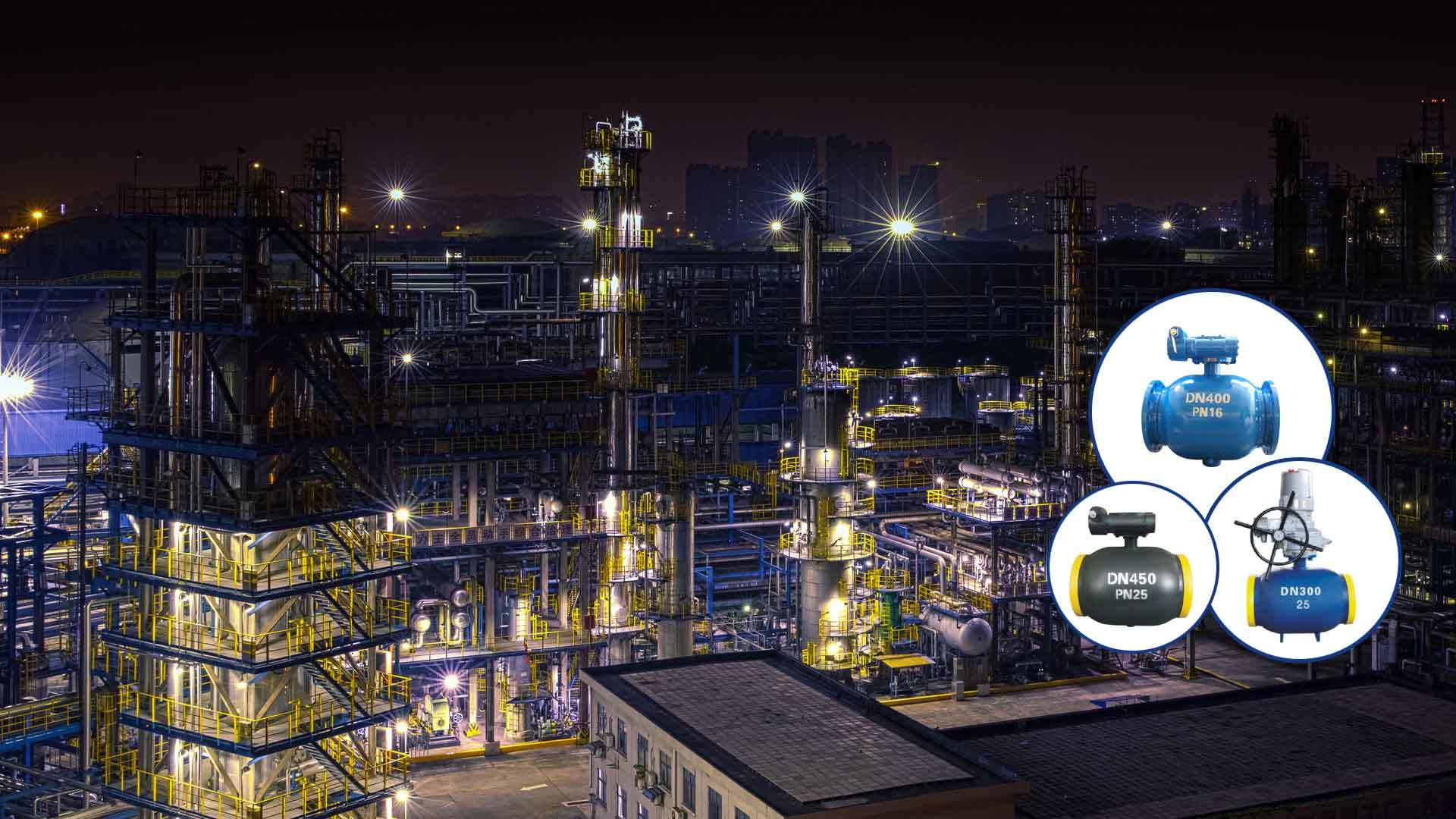
Natural gas ball valves play a pivotal role in various industries, including the industrial equipment and components sector. These valves enable the safe and efficient control of natural gas flow, ensuring the smooth operation of equipment and systems. In this article, we will delve into the details of natural gas ball valves, highlighting their importance in ensuring safe and efficient operations.
2. Understanding Natural Gas Ball Valves
2.1 What Are Natural Gas Ball Valves?
Natural gas ball valves are mechanical devices used to control the flow of natural gas in pipelines and systems. They consist of a spherical ball with a hole or port in the center, which allows or restricts the flow of gas. The position of the ball in relation to the valve body determines the flow rate and direction.
2.2 Types of Natural Gas Ball Valves
There are various types of natural gas ball valves available, including full port and reduced port valves. Full port valves have a larger ball opening, enabling maximum flow capacity. Reduced port valves, on the other hand, have a smaller ball opening, resulting in reduced flow capacity. The choice of valve depends on the specific application and flow requirements.
3. The Importance of Safety in Natural Gas Operations
3.1 Safety Considerations in Natural Gas Systems
Safety is paramount in natural gas operations due to the inherent risks associated with handling this combustible fuel. Leakage or uncontrolled release of natural gas can lead to explosions, fires, and environmental hazards. Hence, it is crucial to have reliable safety measures and components in place.
3.2 How Natural Gas Ball Valves Enhance Safety
Natural gas ball valves are designed to provide reliable shut-off capabilities, preventing the uncontrolled release of gas. Their robust construction and tight sealing mechanism ensure the integrity of natural gas systems. Moreover, these valves often incorporate safety features such as blowout-proof stems and anti-static devices, further enhancing their safety performance.
4. Ensuring Efficiency with Natural Gas Ball Valves
4.1 The Role of Natural Gas Ball Valves in Industrial Processes
Efficiency is a key aspect of industrial operations, and natural gas ball valves contribute significantly to achieving this goal. By enabling precise control of gas flow, these valves optimize the performance of equipment and processes. They facilitate accurate pressure regulation, flow rate adjustment, and system balancing, thereby enhancing overall operational efficiency.
4.2 Benefits of Using Natural Gas Ball Valves
Using natural gas ball valves offers several benefits, including improved energy efficiency, reduced operational costs, and extended equipment lifespan. These valves provide tight shut-off capabilities, minimizing leakage and wastage of natural gas. By preventing system inefficiencies, they help conserve energy and reduce carbon emissions.
5. Features and Design of Natural Gas Ball Valves
5.1 Construction and Material Selection
Natural gas ball valves are typically constructed using high-quality materials such as stainless steel, brass, or carbon steel. These materials offer excellent resistance to corrosion, pressure, and temperature variations, ensuring the longevity of the valves in harsh operating conditions.
5.2 Key Design Considerations
Design plays a crucial role in the performance and reliability of natural gas ball valves. Factors such as valve size, pressure rating, sealing mechanism, and actuation method are carefully considered during the design phase. Manufacturers prioritize safety, ease of operation, and compatibility with different system requirements.
6. Choosing the Right Natural Gas Ball Valve
6.1 Factors to Consider
When selecting a natural gas ball valve, several factors need to be taken into account. These include the application requirements, such as pressure and temperature ratings, flow capacity, and corrosion resistance. Additionally, factors like valve size, end connections, and actuation method should align with the specific system needs.
6.2 Maintenance and Service Requirements
Proper maintenance and regular inspection of natural gas ball valves are crucial to ensure their continued safe and efficient operation. Manufacturers provide guidelines regarding maintenance procedures, recommended service intervals, and inspection requirements. Following these guidelines helps identify potential issues early and prevent costly downtime.
7. Frequently Asked Questions (FAQs)
7.1 How do natural gas ball valves work?
Natural gas ball valves operate by rotating the ball within the valve body to control the flow of gas. When the ball is in the open position, gas can pass through the port. In the closed position, the ball seals against the valve body, preventing gas flow.
7.2 What are the common applications of natural gas ball valves?
Natural gas ball valves find various applications in industries such as oil and gas, petrochemicals, power generation, and manufacturing. They are used in pipelines, storage tanks, refineries, processing plants, and other facilities where natural gas flow control is required.
7.3 How do natural gas ball valves contribute to energy efficiency?
By enabling precise control of gas flow and reducing leakage, natural gas ball valves help optimize energy consumption. They ensure that the right amount of gas is supplied to the equipment, preventing wastage and improving overall energy efficiency.
7.4 What safety features should I look for in natural gas ball valves?
When selecting natural gas ball valves, it is essential to consider safety features such as blowout-proof stems, fire-safe design, anti-static devices, and suitable material selection. These features enhance the safety performance of the valves and minimize the risk of accidents.
7.5 How often should natural gas ball valves be inspected?
Regular inspection of natural gas ball valves is recommended to identify any signs of wear, damage, or deterioration. The frequency of inspections may vary depending on factors such as valve usage, operating conditions, and manufacturer recommendations. Consult the valve manufacturer or industry guidelines for specific inspection intervals.
8. Conclusion: Ensuring Safety and Efficiency with Natural Gas Ball Valves
Natural gas ball valves are indispensable components in industrial operations, providing reliable control, enhanced safety, and improved efficiency. By understanding their design, functionality, and benefits, industries can make informed decisions when selecting and utilizing these valves. Ensuring the safe and efficient operation of natural gas systems is crucial, and natural gas ball valves play a vital role in achieving this objective.
1. Introduction: The Significance of Natural Gas Ball Valves
2. Understanding Natural Gas Ball Valves
2.1 What Are Natural Gas Ball Valves?
2.2 Types of Natural Gas Ball Valves
3. The Importance of Safety in Natural Gas Operations
3.1 Safety Considerations in Natural Gas Systems
3.2 How Natural Gas Ball Valves Enhance Safety
4. Ensuring Efficiency with Natural Gas Ball Valves
4.1 The Role of Natural Gas Ball Valves in Industrial Processes
4.2 Benefits of Using Natural Gas Ball Valves
5. Features and Design of Natural Gas Ball Valves
5.1 Construction and Material Selection
5.2 Key Design Considerations
6. Choosing the Right Natural Gas Ball Valve
6.1 Factors to Consider
6.2 Maintenance and Service Requirements
7. Frequently Asked Questions (FAQs)
7.1 How do natural gas ball valves work?
7.2 What are the common applications of natural gas ball valves?
7.3 How do natural gas ball valves contribute to energy efficiency?
7.4 What safety features should I look for in natural gas ball valves?
7.5 How often should natural gas ball valves be inspected?
8. Conclusion: Ensuring Safety and Efficiency with Natural Gas Ball Valves
1. Introduction: The Significance of Natural Gas Ball Valves
Natural gas ball valves play a pivotal role in various industries, including the industrial equipment and components sector. These valves enable the safe and efficient control of natural gas flow, ensuring the smooth operation of equipment and systems. In this article, we will delve into the details of natural gas ball valves, highlighting their importance in ensuring safe and efficient operations.
2. Understanding Natural Gas Ball Valves
2.1 What Are Natural Gas Ball Valves?
Natural gas ball valves are mechanical devices used to control the flow of natural gas in pipelines and systems. They consist of a spherical ball with a hole or port in the center, which allows or restricts the flow of gas. The position of the ball in relation to the valve body determines the flow rate and direction.
2.2 Types of Natural Gas Ball Valves
There are various types of natural gas ball valves available, including full port and reduced port valves. Full port valves have a larger ball opening, enabling maximum flow capacity. Reduced port valves, on the other hand, have a smaller ball opening, resulting in reduced flow capacity. The choice of valve depends on the specific application and flow requirements.
3. The Importance of Safety in Natural Gas Operations
3.1 Safety Considerations in Natural Gas Systems
Safety is paramount in natural gas operations due to the inherent risks associated with handling this combustible fuel. Leakage or uncontrolled release of natural gas can lead to explosions, fires, and environmental hazards. Hence, it is crucial to have reliable safety measures and components in place.
3.2 How Natural Gas Ball Valves Enhance Safety
Natural gas ball valves are designed to provide reliable shut-off capabilities, preventing the uncontrolled release of gas. Their robust construction and tight sealing mechanism ensure the integrity of natural gas systems. Moreover, these valves often incorporate safety features such as blowout-proof stems and anti-static devices, further enhancing their safety performance.
4. Ensuring Efficiency with Natural Gas Ball Valves
4.1 The Role of Natural Gas Ball Valves in Industrial Processes
Efficiency is a key aspect of industrial operations, and natural gas ball valves contribute significantly to achieving this goal. By enabling precise control of gas flow, these valves optimize the performance of equipment and processes. They facilitate accurate pressure regulation, flow rate adjustment, and system balancing, thereby enhancing overall operational efficiency.
4.2 Benefits of Using Natural Gas Ball Valves
Using natural gas ball valves offers several benefits, including improved energy efficiency, reduced operational costs, and extended equipment lifespan. These valves provide tight shut-off capabilities, minimizing leakage and wastage of natural gas. By preventing system inefficiencies, they help conserve energy and reduce carbon emissions.
5. Features and Design of Natural Gas Ball Valves
5.1 Construction and Material Selection
Natural gas ball valves are typically constructed using high-quality materials such as stainless steel, brass, or carbon steel. These materials offer excellent resistance to corrosion, pressure, and temperature variations, ensuring the longevity of the valves in harsh operating conditions.
5.2 Key Design Considerations
Design plays a crucial role in the performance and reliability of natural gas ball valves. Factors such as valve size, pressure rating, sealing mechanism, and actuation method are carefully considered during the design phase. Manufacturers prioritize safety, ease of operation, and compatibility with different system requirements.
6. Choosing the Right Natural Gas Ball Valve
6.1 Factors to Consider
When selecting a natural gas ball valve, several factors need to be taken into account. These include the application requirements, such as pressure and temperature ratings, flow capacity, and corrosion resistance. Additionally, factors like valve size, end connections, and actuation method should align with the specific system needs.
6.2 Maintenance and Service Requirements
Proper maintenance and regular inspection of natural gas ball valves are crucial to ensure their continued safe and efficient operation. Manufacturers provide guidelines regarding maintenance procedures, recommended service intervals, and inspection requirements. Following these guidelines helps identify potential issues early and prevent costly downtime.
7. Frequently Asked Questions (FAQs)
7.1 How do natural gas ball valves work?
Natural gas ball valves operate by rotating the ball within the valve body to control the flow of gas. When the ball is in the open position, gas can pass through the port. In the closed position, the ball seals against the valve body, preventing gas flow.
7.2 What are the common applications of natural gas ball valves?
Natural gas ball valves find various applications in industries such as oil and gas, petrochemicals, power generation, and manufacturing. They are used in pipelines, storage tanks, refineries, processing plants, and other facilities where natural gas flow control is required.
7.3 How do natural gas ball valves contribute to energy efficiency?
By enabling precise control of gas flow and reducing leakage, natural gas ball valves help optimize energy consumption. They ensure that the right amount of gas is supplied to the equipment, preventing wastage and improving overall energy efficiency.
7.4 What safety features should I look for in natural gas ball valves?
When selecting natural gas ball valves, it is essential to consider safety features such as blowout-proof stems, fire-safe design, anti-static devices, and suitable material selection. These features enhance the safety performance of the valves and minimize the risk of accidents.
7.5 How often should natural gas ball valves be inspected?
Regular inspection of natural gas ball valves is recommended to identify any signs of wear, damage, or deterioration. The frequency of inspections may vary depending on factors such as valve usage, operating conditions, and manufacturer recommendations. Consult the valve manufacturer or industry guidelines for specific inspection intervals.
8. Conclusion: Ensuring Safety and Efficiency with Natural Gas Ball Valves
Natural gas ball valves are indispensable components in industrial operations, providing reliable control, enhanced safety, and improved efficiency. By understanding their design, functionality, and benefits, industries can make informed decisions when selecting and utilizing these valves. Ensuring the safe and efficient operation of natural gas systems is crucial, and natural gas ball valves play a vital role in achieving this objective.
Keywords: natural gas ball valve

What we offered to customers shall be our excellent products and distinguished services; our promises to customers shall be above anything else.
Contact Information
Add:Dong'ou Industrial Park (Industrial Park), Yongjia, Zhejiang
sales hotline:86-4009262680
Landline:86-0577-67389088
M.P:86-13819755838
传真:86-0577-67389099
邮箱:sale@cnmxv.cn·
