 sales@cnmxv.cn
 86-577-67389088
Share to




News & Events
Why Ball Valves are Essential Components in Industrial Equipment
Release time: 2024-01-17
Table of Contents:
1. Introduction
2. Understanding Ball Valves
2.1 What are Ball Valves?
2.2 How do Ball Valves Work?
3. Types of Ball Valves
3.1 Floating Ball Valves
3.2 Trunnion Ball Valves
3.3 V-port Ball Valves
3.4 Multi-port Ball Valves
4. Applications of Ball Valves in Industrial Equipment
4.1 Oil and Gas Industry
4.2 Chemical Industry
4.3 Water Treatment Plants
4.4 Power Plants
4.5 Pharmaceutical Industry
4.6 Food and Beverage Industry
5. Benefits of Using Ball Valves
5.1 Quick Operation and Shut-off
5.2 Excellent Flow Control
5.3 Durability and Reliability
5.4 Low Maintenance
5.5 Versatility in Installation
6. Choosing the Right Ball Valve for Your Industrial Equipment
6.1 Consider the Operating Conditions
6.2 Material Compatibility
6.3 Size and Pressure Ratings
6.4 End Connection Types
7. Common FAQs about Ball Valves
7.1 What is the maximum temperature and pressure a ball valve can handle?
7.2 Can ball valves be used for both on/off and throttling applications?
7.3 Are ball valves suitable for corrosive environments?
7.4 How often should ball valves be maintained?
7.5 Can ball valves be automated?
8. Conclusion
1. Introduction
In the world of industrial equipment, ensuring smooth operations, efficiency, and safety is paramount. One crucial component that plays a significant role in achieving these goals is the ball valve. In this article, we will explore why ball valves are essential components in industrial equipment and how they contribute to the overall performance and functionality of various industries.
2. Understanding Ball Valves
2.1 What are Ball Valves?
Ball valves are mechanical devices designed to control the flow of fluids or gases by using a hollow, perforated sphere (the ball) to regulate the flow. They consist of a body, a ball with a hole or port, seats, and an actuator for opening and closing the valve.
2.2 How do Ball Valves Work?
When the ball valve is in the open position, the fluid or gas flows through the hollow center of the ball, allowing for uninterrupted passage. Conversely, when the valve is closed, the ball is rotated to block the flow, creating a tight seal and preventing any further movement of the fluid or gas.
3. Types of Ball Valves
3.1 Floating Ball Valves
Floating ball valves are the most common type of ball valves, characterized by a freely floating ball that moves to seal against the seat under pressure. These valves are versatile and suitable for a wide range of applications.
3.2 Trunnion Ball Valves
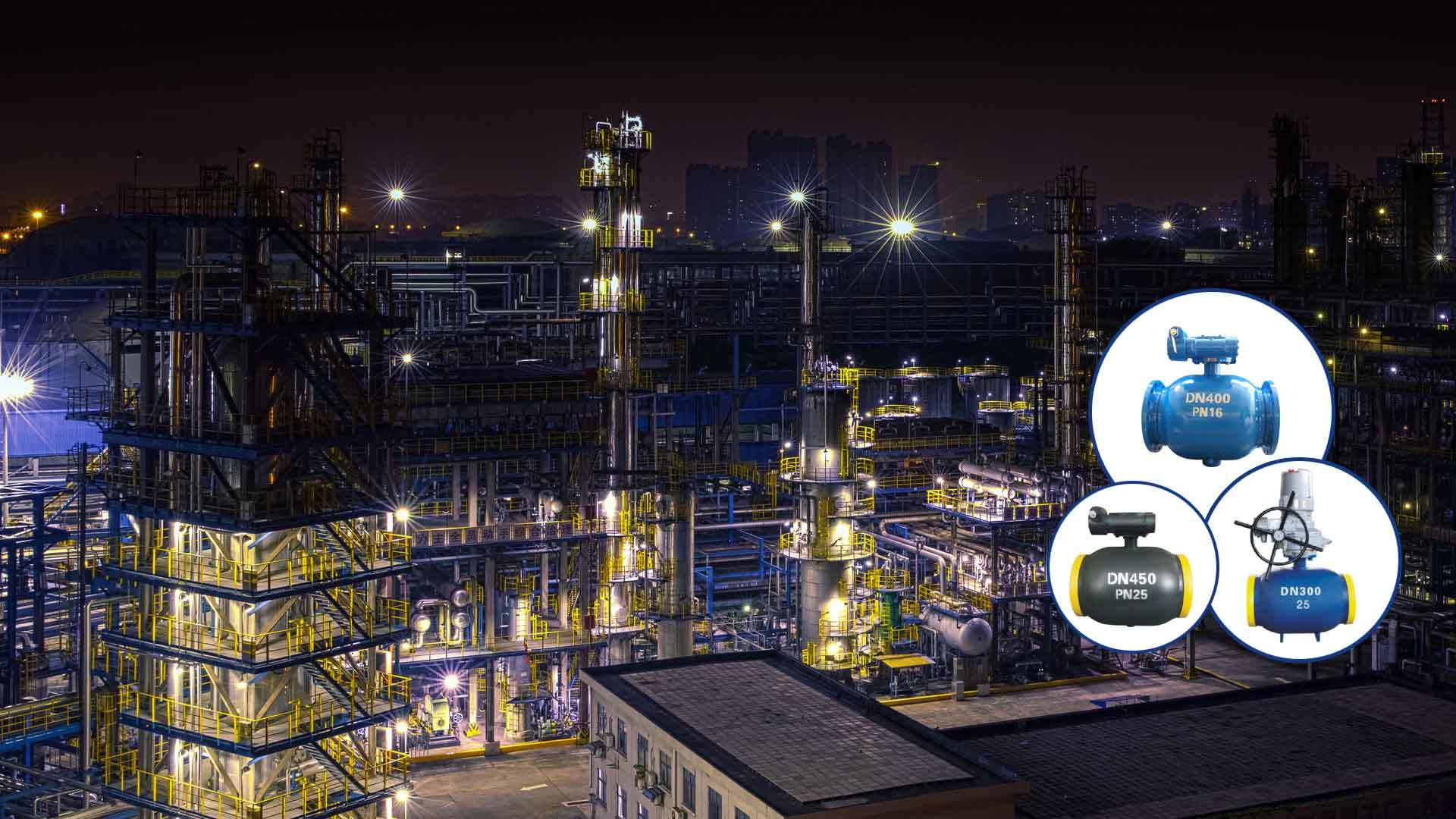
Trunnion ball valves feature an additional support mechanism, known as a trunnion, which provides stability and reduces wear on the seats. These valves are preferred for high-pressure and large-diameter applications.
3.3 V-port Ball Valves
V-port ball valves have a specially shaped ball with a V-shaped orifice, allowing for precise flow control. These valves are commonly used in applications that require accurate throttling.
3.4 Multi-port Ball Valves
Multi-port ball valves have multiple ports or passages in the ball, enabling more than two flow paths and providing versatility in fluid or gas distribution. These valves are ideal for complex system configurations.
4. Applications of Ball Valves in Industrial Equipment
4.1 Oil and Gas Industry
Ball valves are widely used in the oil and gas industry for various applications, including wellheads, pipelines, and refining processes. They offer reliable shut-off and control capabilities, even in high-pressure and high-temperature environments.
4.2 Chemical Industry
In chemical plants, ball valves are essential components for controlling the flow of corrosive fluids and gases. Their superior resistance to chemical corrosion ensures the safety and efficiency of chemical processes.
4.3 Water Treatment Plants
Ball valves play a crucial role in water treatment plants, facilitating the control and regulation of water flow during filtration, purification, and distribution processes. They help maintain water quality and prevent leaks.
4.4 Power Plants
Power generation facilities rely on ball valves for controlling steam, gases, and cooling water flow. These valves ensure efficient operation, minimize energy loss, and prevent potential equipment damage.
4.5 Pharmaceutical Industry
Ball valves are extensively used in pharmaceutical manufacturing plants to regulate the flow of fluids and gases during the production process. Their sanitary design and ease of maintenance make them ideal for maintaining a sterile environment.
4.6 Food and Beverage Industry
In the food and beverage industry, ball valves are essential for controlling the flow of ingredients, liquids, and gases in processing, packaging, and distribution. Their hygienic properties and ease of cleaning are crucial for maintaining product quality and safety.
5. Benefits of Using Ball Valves
5.1 Quick Operation and Shut-off
Ball valves provide rapid opening and closing capabilities, allowing for efficient flow control and quick shut-off in emergencies. This feature enhances operational efficiency and safety.
5.2 Excellent Flow Control
The design of ball valves enables precise flow control, making them suitable for applications that require accurate throttling. The full port design minimizes pressure drop and ensures optimal flow rates.
5.3 Durability and Reliability
Ball valves are known for their durability and reliability, particularly in demanding industrial environments. They can withstand high pressures, temperatures, and corrosive substances, ensuring long-lasting performance.
5.4 Low Maintenance
Due to their robust construction and minimal moving parts, ball valves require minimal maintenance. This reduces downtime, extends the lifespan of industrial equipment, and enhances overall efficiency.
5.5 Versatility in Installation
Ball valves offer various end connection types, including threaded, flanged, and welded options, allowing for easy integration into different piping systems. Their versatility simplifies installation and promotes flexibility.
6. Choosing the Right Ball Valve for Your Industrial Equipment
6.1 Consider the Operating Conditions
When selecting a ball valve, it is crucial to consider the operating conditions, such as pressure, temperature, and fluid or gas characteristics. Choosing a valve that can withstand these conditions ensures optimal performance and longevity.
6.2 Material Compatibility
Different industries require ball valves made from specific materials to prevent corrosion or contamination. Considering the compatibility of materials with the fluid or gas being handled is essential for maintaining operational integrity.
6.3 Size and Pressure Ratings
Matching the size and pressure ratings of the ball valve to the requirements of the industrial equipment is vital for proper flow control. Oversized or undersized valves can lead to inefficiencies and potential safety hazards.
6.4 End Connection Types
Selecting the appropriate end connection type for your specific application ensures seamless integration into the existing piping system. Threaded, flanged, or welded connections should be chosen based on compatibility and ease of installation.
7. Common FAQs about Ball Valves
7.1 What is the maximum temperature and pressure a ball valve can handle?
Ball valves can handle a wide range of temperatures and pressures, depending on their design and material composition. It is essential to consult the valve manufacturer or refer to specifications for the specific limitations of each valve.
7.2 Can ball valves be used for both on/off and throttling applications?
Yes, ball valves can be used for both on/off and throttling applications. However, it is important to consider the valve design and the specific requirements of the application to ensure proper functionality.
7.3 Are ball valves suitable for corrosive environments?
Ball valves can be made from various materials, including corrosion-resistant alloys, making them suitable for corrosive environments. Selecting the right material is crucial to ensure compatibility and prevent premature deterioration.
7.4 How often should ball valves be maintained?
The maintenance frequency of ball valves depends on factors such as operating conditions, material compatibility, and industry regulations. Regular inspections and preventive maintenance are recommended to ensure optimal performance and extend the valve's lifespan.
7.5 Can ball valves be automated?
Yes, ball valves can be automated using actuators, allowing for remote operation and control. Automation enhances efficiency, particularly in large-scale industrial applications.
8. Conclusion
Ball valves serve as essential components in various industrial equipment, offering reliable flow control, durability, and versatility. Understanding the different types of ball valves, their applications, and the benefits they provide is crucial for maximizing operational efficiency and maintaining safety standards. By selecting the right ball valves and adhering to proper maintenance practices, industrial equipment can operate optimally, ensuring smooth processes and enhanced productivity.
1. Introduction
2. Understanding Ball Valves
2.1 What are Ball Valves?
2.2 How do Ball Valves Work?
3. Types of Ball Valves
3.1 Floating Ball Valves
3.2 Trunnion Ball Valves
3.3 V-port Ball Valves
3.4 Multi-port Ball Valves
4. Applications of Ball Valves in Industrial Equipment
4.1 Oil and Gas Industry
4.2 Chemical Industry
4.3 Water Treatment Plants
4.4 Power Plants
4.5 Pharmaceutical Industry
4.6 Food and Beverage Industry
5. Benefits of Using Ball Valves
5.1 Quick Operation and Shut-off
5.2 Excellent Flow Control
5.3 Durability and Reliability
5.4 Low Maintenance
5.5 Versatility in Installation
6. Choosing the Right Ball Valve for Your Industrial Equipment
6.1 Consider the Operating Conditions
6.2 Material Compatibility
6.3 Size and Pressure Ratings
6.4 End Connection Types
7. Common FAQs about Ball Valves
7.1 What is the maximum temperature and pressure a ball valve can handle?
7.2 Can ball valves be used for both on/off and throttling applications?
7.3 Are ball valves suitable for corrosive environments?
7.4 How often should ball valves be maintained?
7.5 Can ball valves be automated?
8. Conclusion
1. Introduction
In the world of industrial equipment, ensuring smooth operations, efficiency, and safety is paramount. One crucial component that plays a significant role in achieving these goals is the ball valve. In this article, we will explore why ball valves are essential components in industrial equipment and how they contribute to the overall performance and functionality of various industries.
2. Understanding Ball Valves
2.1 What are Ball Valves?
Ball valves are mechanical devices designed to control the flow of fluids or gases by using a hollow, perforated sphere (the ball) to regulate the flow. They consist of a body, a ball with a hole or port, seats, and an actuator for opening and closing the valve.
2.2 How do Ball Valves Work?
When the ball valve is in the open position, the fluid or gas flows through the hollow center of the ball, allowing for uninterrupted passage. Conversely, when the valve is closed, the ball is rotated to block the flow, creating a tight seal and preventing any further movement of the fluid or gas.
3. Types of Ball Valves
3.1 Floating Ball Valves
Floating ball valves are the most common type of ball valves, characterized by a freely floating ball that moves to seal against the seat under pressure. These valves are versatile and suitable for a wide range of applications.
3.2 Trunnion Ball Valves
Trunnion ball valves feature an additional support mechanism, known as a trunnion, which provides stability and reduces wear on the seats. These valves are preferred for high-pressure and large-diameter applications.
3.3 V-port Ball Valves
V-port ball valves have a specially shaped ball with a V-shaped orifice, allowing for precise flow control. These valves are commonly used in applications that require accurate throttling.
3.4 Multi-port Ball Valves
Multi-port ball valves have multiple ports or passages in the ball, enabling more than two flow paths and providing versatility in fluid or gas distribution. These valves are ideal for complex system configurations.
4. Applications of Ball Valves in Industrial Equipment
4.1 Oil and Gas Industry
Ball valves are widely used in the oil and gas industry for various applications, including wellheads, pipelines, and refining processes. They offer reliable shut-off and control capabilities, even in high-pressure and high-temperature environments.
4.2 Chemical Industry
In chemical plants, ball valves are essential components for controlling the flow of corrosive fluids and gases. Their superior resistance to chemical corrosion ensures the safety and efficiency of chemical processes.
4.3 Water Treatment Plants
Ball valves play a crucial role in water treatment plants, facilitating the control and regulation of water flow during filtration, purification, and distribution processes. They help maintain water quality and prevent leaks.
4.4 Power Plants
Power generation facilities rely on ball valves for controlling steam, gases, and cooling water flow. These valves ensure efficient operation, minimize energy loss, and prevent potential equipment damage.
4.5 Pharmaceutical Industry
Ball valves are extensively used in pharmaceutical manufacturing plants to regulate the flow of fluids and gases during the production process. Their sanitary design and ease of maintenance make them ideal for maintaining a sterile environment.
4.6 Food and Beverage Industry
In the food and beverage industry, ball valves are essential for controlling the flow of ingredients, liquids, and gases in processing, packaging, and distribution. Their hygienic properties and ease of cleaning are crucial for maintaining product quality and safety.
5. Benefits of Using Ball Valves
5.1 Quick Operation and Shut-off
Ball valves provide rapid opening and closing capabilities, allowing for efficient flow control and quick shut-off in emergencies. This feature enhances operational efficiency and safety.
5.2 Excellent Flow Control
The design of ball valves enables precise flow control, making them suitable for applications that require accurate throttling. The full port design minimizes pressure drop and ensures optimal flow rates.
5.3 Durability and Reliability
Ball valves are known for their durability and reliability, particularly in demanding industrial environments. They can withstand high pressures, temperatures, and corrosive substances, ensuring long-lasting performance.
5.4 Low Maintenance
Due to their robust construction and minimal moving parts, ball valves require minimal maintenance. This reduces downtime, extends the lifespan of industrial equipment, and enhances overall efficiency.
5.5 Versatility in Installation
Ball valves offer various end connection types, including threaded, flanged, and welded options, allowing for easy integration into different piping systems. Their versatility simplifies installation and promotes flexibility.
6. Choosing the Right Ball Valve for Your Industrial Equipment
6.1 Consider the Operating Conditions
When selecting a ball valve, it is crucial to consider the operating conditions, such as pressure, temperature, and fluid or gas characteristics. Choosing a valve that can withstand these conditions ensures optimal performance and longevity.
6.2 Material Compatibility
Different industries require ball valves made from specific materials to prevent corrosion or contamination. Considering the compatibility of materials with the fluid or gas being handled is essential for maintaining operational integrity.
6.3 Size and Pressure Ratings
Matching the size and pressure ratings of the ball valve to the requirements of the industrial equipment is vital for proper flow control. Oversized or undersized valves can lead to inefficiencies and potential safety hazards.
6.4 End Connection Types
Selecting the appropriate end connection type for your specific application ensures seamless integration into the existing piping system. Threaded, flanged, or welded connections should be chosen based on compatibility and ease of installation.
7. Common FAQs about Ball Valves
7.1 What is the maximum temperature and pressure a ball valve can handle?
Ball valves can handle a wide range of temperatures and pressures, depending on their design and material composition. It is essential to consult the valve manufacturer or refer to specifications for the specific limitations of each valve.
7.2 Can ball valves be used for both on/off and throttling applications?
Yes, ball valves can be used for both on/off and throttling applications. However, it is important to consider the valve design and the specific requirements of the application to ensure proper functionality.
7.3 Are ball valves suitable for corrosive environments?
Ball valves can be made from various materials, including corrosion-resistant alloys, making them suitable for corrosive environments. Selecting the right material is crucial to ensure compatibility and prevent premature deterioration.
7.4 How often should ball valves be maintained?
The maintenance frequency of ball valves depends on factors such as operating conditions, material compatibility, and industry regulations. Regular inspections and preventive maintenance are recommended to ensure optimal performance and extend the valve's lifespan.
7.5 Can ball valves be automated?
Yes, ball valves can be automated using actuators, allowing for remote operation and control. Automation enhances efficiency, particularly in large-scale industrial applications.
8. Conclusion
Ball valves serve as essential components in various industrial equipment, offering reliable flow control, durability, and versatility. Understanding the different types of ball valves, their applications, and the benefits they provide is crucial for maximizing operational efficiency and maintaining safety standards. By selecting the right ball valves and adhering to proper maintenance practices, industrial equipment can operate optimally, ensuring smooth processes and enhanced productivity.
Keywords: ball valve

What we offered to customers shall be our excellent products and distinguished services; our promises to customers shall be above anything else.
Contact Information
Add:Dong'ou Industrial Park (Industrial Park), Yongjia, Zhejiang
sales hotline:86-4009262680
Landline:86-0577-67389088
M.P:86-13819755838
传真:86-0577-67389099
邮箱:sale@cnmxv.cn·
