 sales@cnmxv.cn
 86-577-67389088
Share to




News & Events
The Advantages of Using Ball Valves in Industrial Applications
Release time: 2024-01-17
Table of Contents:
1. Introduction
2. Understanding Ball Valves
3. Advantages of Using Ball Valves
3.1 Enhanced Durability
3.2 Improved Control
3.3 Efficient Flow Control
3.4 Reduced Maintenance Costs
3.5 Versatility and Adaptability
3.6 Cost-Effectiveness
3.7 Fast and Easy Operation
3.8 Safe and Secure Closure
4. Frequently Asked Questions (FAQs)
4.1 How do ball valves work?
4.2 Are ball valves suitable for high-pressure applications?
4.3 What industries benefit from using ball valves?
4.4 Can ball valves be used for both on/off and throttling applications?
4.5 How often should ball valves be inspected and maintained?
5. Conclusion
1. Introduction
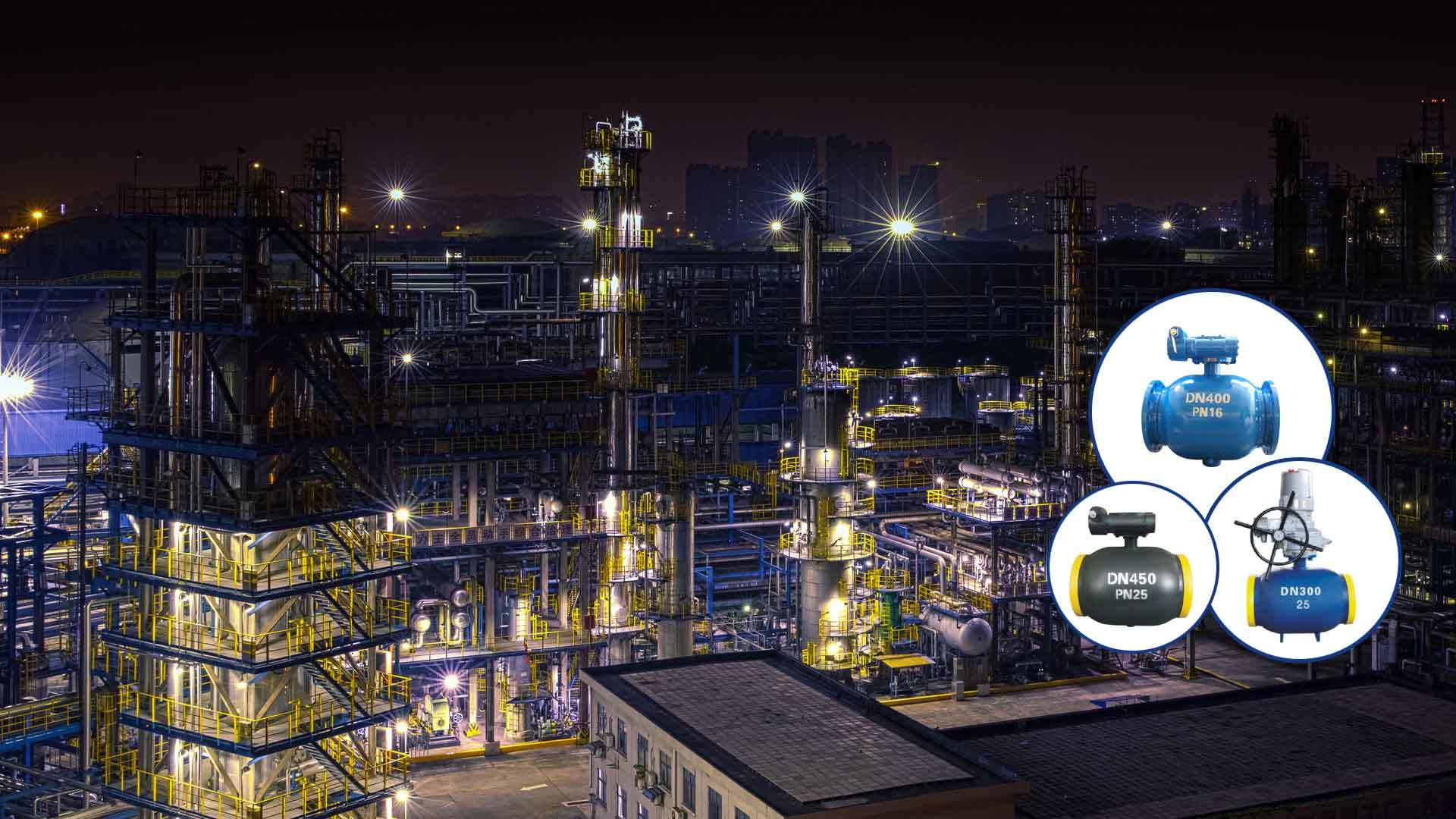
In the realm of industrial applications, choosing the right valves is crucial for ensuring seamless operations and optimal performance. Among various valve types available, ball valves have gained immense popularity due to their numerous advantages. This article delves into the benefits of utilizing ball valves, shedding light on their durability, control capabilities, efficiency, and cost-effectiveness.
2. Understanding Ball Valves
Ball valves are mechanical devices that regulate the flow of fluids or gases by utilizing a perforated, pivoting ball within a cylindrical housing. The ball features a hole or port that allows or restricts the flow when aligned accordingly. This innovative design provides several advantages over other valve types, making ball valves a preferred choice in industrial settings.
3. Advantages of Using Ball Valves
3.1 Enhanced Durability
Ball valves are renowned for their exceptional durability. The solid ball construction and robust materials used in manufacturing make them highly resistant to wear and tear, even in demanding industrial environments. This durability ensures a longer lifespan and reduces the need for frequent replacements, resulting in cost savings for businesses.
3.2 Improved Control
The design of ball valves offers excellent control over fluid or gas flow. The 90-degree turn required to open or close the valve provides quick and precise control, allowing for immediate response in critical situations. With the ability to achieve full flow with minimal effort, ball valves provide smoother operation and minimize flow disruptions.
3.3 Efficient Flow Control
Ball valves provide efficient flow control due to their unrestricted flow path when fully open. The full port design of ball valves allows fluids or gases to flow freely without any obstructions, minimizing pressure drop and ensuring optimal performance. This efficient flow control contributes to increased productivity and overall efficiency in industrial processes.
3.4 Reduced Maintenance Costs
One of the significant advantages of ball valves is their low maintenance requirements. The sturdy construction and simple design of ball valves minimize the chances of leakage or malfunction. This characteristic reduces the need for frequent maintenance, resulting in cost savings for businesses. Additionally, the ease of disassembly and reassembly simplifies maintenance tasks, minimizing downtime.
3.5 Versatility and Adaptability
Ball valves are highly versatile and can be used in various industrial applications. They are suitable for handling a wide range of fluids, including corrosive substances and gases. Moreover, ball valves can operate effectively in high-pressure and high-temperature environments, making them ideal for demanding industrial processes. Their adaptability allows businesses to streamline operations and simplify valve selection.
3.6 Cost-Effectiveness
Due to their durability and low maintenance requirements, ball valves offer cost-effectiveness to businesses. The reduced need for replacements, repairs, and maintenance translates into significant cost savings in the long run. Additionally, the efficient flow control of ball valves optimizes energy consumption, further contributing to cost reduction.
3.7 Fast and Easy Operation
Ball valves are designed for fast and easy operation. The 90-degree turn required to open or close the valve enables quick response and immediate flow control. This characteristic is particularly advantageous in emergency situations, allowing for prompt action and preventing potential damages or accidents.
3.8 Safe and Secure Closure
Ball valves ensure a secure closure, preventing any backflow or leakage. The tight seal provided by the ball and seat configuration eliminates the risk of fluid or gas escape, ensuring the safety of personnel and equipment. This feature is crucial in industries where leakage can lead to hazardous situations or environmental damage.
4. Frequently Asked Questions (FAQs)
4.1 How do ball valves work?
Ball valves utilize a pivoting ball with a hole or port in the center. When the ball is aligned with the pipe orifice, the valve is open, allowing fluid or gas flow. Rotating the ball by 90 degrees blocks the flow, closing the valve.
4.2 Are ball valves suitable for high-pressure applications?
Yes, ball valves are well-suited for high-pressure applications. Their robust construction and ability to handle high pressures make them reliable and safe choices in such environments.
4.3 What industries benefit from using ball valves?
Various industries benefit from utilizing ball valves, including oil and gas, chemical processing, power generation, water treatment, pharmaceuticals, and many others. The versatility and durability of ball valves make them suitable for a wide range of industrial applications.
4.4 Can ball valves be used for both on/off and throttling applications?
Yes, ball valves are versatile and can be used for both on/off and throttling applications. Their ability to achieve precise control makes them suitable for a wide range of flow control requirements.
4.5 How often should ball valves be inspected and maintained?
The frequency of inspection and maintenance largely depends on the operating conditions and the specific valve application. However, regular inspections are recommended to ensure optimal performance and identify any potential issues before they escalate.
5. Conclusion
In conclusion, incorporating ball valves into industrial applications offers numerous advantages. From enhanced durability and improved control to increased efficiency and reduced maintenance costs, ball valves optimize operations and contribute to overall success. Their versatility, adaptability, and cost-effectiveness make them a preferred choice for various industries. By harnessing the benefits of ball valves, businesses can streamline their processes, enhance productivity, and achieve sustainable growth.
1. Introduction
2. Understanding Ball Valves
3. Advantages of Using Ball Valves
3.1 Enhanced Durability
3.2 Improved Control
3.3 Efficient Flow Control
3.4 Reduced Maintenance Costs
3.5 Versatility and Adaptability
3.6 Cost-Effectiveness
3.7 Fast and Easy Operation
3.8 Safe and Secure Closure
4. Frequently Asked Questions (FAQs)
4.1 How do ball valves work?
4.2 Are ball valves suitable for high-pressure applications?
4.3 What industries benefit from using ball valves?
4.4 Can ball valves be used for both on/off and throttling applications?
4.5 How often should ball valves be inspected and maintained?
5. Conclusion
1. Introduction
In the realm of industrial applications, choosing the right valves is crucial for ensuring seamless operations and optimal performance. Among various valve types available, ball valves have gained immense popularity due to their numerous advantages. This article delves into the benefits of utilizing ball valves, shedding light on their durability, control capabilities, efficiency, and cost-effectiveness.
2. Understanding Ball Valves
Ball valves are mechanical devices that regulate the flow of fluids or gases by utilizing a perforated, pivoting ball within a cylindrical housing. The ball features a hole or port that allows or restricts the flow when aligned accordingly. This innovative design provides several advantages over other valve types, making ball valves a preferred choice in industrial settings.
3. Advantages of Using Ball Valves
3.1 Enhanced Durability
Ball valves are renowned for their exceptional durability. The solid ball construction and robust materials used in manufacturing make them highly resistant to wear and tear, even in demanding industrial environments. This durability ensures a longer lifespan and reduces the need for frequent replacements, resulting in cost savings for businesses.
3.2 Improved Control
The design of ball valves offers excellent control over fluid or gas flow. The 90-degree turn required to open or close the valve provides quick and precise control, allowing for immediate response in critical situations. With the ability to achieve full flow with minimal effort, ball valves provide smoother operation and minimize flow disruptions.
3.3 Efficient Flow Control
Ball valves provide efficient flow control due to their unrestricted flow path when fully open. The full port design of ball valves allows fluids or gases to flow freely without any obstructions, minimizing pressure drop and ensuring optimal performance. This efficient flow control contributes to increased productivity and overall efficiency in industrial processes.
3.4 Reduced Maintenance Costs
One of the significant advantages of ball valves is their low maintenance requirements. The sturdy construction and simple design of ball valves minimize the chances of leakage or malfunction. This characteristic reduces the need for frequent maintenance, resulting in cost savings for businesses. Additionally, the ease of disassembly and reassembly simplifies maintenance tasks, minimizing downtime.
3.5 Versatility and Adaptability
Ball valves are highly versatile and can be used in various industrial applications. They are suitable for handling a wide range of fluids, including corrosive substances and gases. Moreover, ball valves can operate effectively in high-pressure and high-temperature environments, making them ideal for demanding industrial processes. Their adaptability allows businesses to streamline operations and simplify valve selection.
3.6 Cost-Effectiveness
Due to their durability and low maintenance requirements, ball valves offer cost-effectiveness to businesses. The reduced need for replacements, repairs, and maintenance translates into significant cost savings in the long run. Additionally, the efficient flow control of ball valves optimizes energy consumption, further contributing to cost reduction.
3.7 Fast and Easy Operation
Ball valves are designed for fast and easy operation. The 90-degree turn required to open or close the valve enables quick response and immediate flow control. This characteristic is particularly advantageous in emergency situations, allowing for prompt action and preventing potential damages or accidents.
3.8 Safe and Secure Closure
Ball valves ensure a secure closure, preventing any backflow or leakage. The tight seal provided by the ball and seat configuration eliminates the risk of fluid or gas escape, ensuring the safety of personnel and equipment. This feature is crucial in industries where leakage can lead to hazardous situations or environmental damage.
4. Frequently Asked Questions (FAQs)
4.1 How do ball valves work?
Ball valves utilize a pivoting ball with a hole or port in the center. When the ball is aligned with the pipe orifice, the valve is open, allowing fluid or gas flow. Rotating the ball by 90 degrees blocks the flow, closing the valve.
4.2 Are ball valves suitable for high-pressure applications?
Yes, ball valves are well-suited for high-pressure applications. Their robust construction and ability to handle high pressures make them reliable and safe choices in such environments.
4.3 What industries benefit from using ball valves?
Various industries benefit from utilizing ball valves, including oil and gas, chemical processing, power generation, water treatment, pharmaceuticals, and many others. The versatility and durability of ball valves make them suitable for a wide range of industrial applications.
4.4 Can ball valves be used for both on/off and throttling applications?
Yes, ball valves are versatile and can be used for both on/off and throttling applications. Their ability to achieve precise control makes them suitable for a wide range of flow control requirements.
4.5 How often should ball valves be inspected and maintained?
The frequency of inspection and maintenance largely depends on the operating conditions and the specific valve application. However, regular inspections are recommended to ensure optimal performance and identify any potential issues before they escalate.
5. Conclusion
In conclusion, incorporating ball valves into industrial applications offers numerous advantages. From enhanced durability and improved control to increased efficiency and reduced maintenance costs, ball valves optimize operations and contribute to overall success. Their versatility, adaptability, and cost-effectiveness make them a preferred choice for various industries. By harnessing the benefits of ball valves, businesses can streamline their processes, enhance productivity, and achieve sustainable growth.
Keywords: ball valve

What we offered to customers shall be our excellent products and distinguished services; our promises to customers shall be above anything else.
Contact Information
Add:Dong'ou Industrial Park (Industrial Park), Yongjia, Zhejiang
sales hotline:86-4009262680
Landline:86-0577-67389088
M.P:86-13819755838
传真:86-0577-67389099
邮箱:sale@cnmxv.cn·
