 sales@cnmxv.cn
 86-577-67389088
Share to




News & Events
How to Choose the Right Power Station Drain Ball Valve
Release time: 2024-01-31
Table of Contents:
1. Introduction: Importance of Choosing the Right Power Station Drain Ball Valve
2. Factors to Consider When Selecting a Power Station Drain Ball Valve
2.1 Material
2.2 Size
2.3 Pressure Rating
2.4 Temperature Range
2.5 Flow Characteristics
2.6 End Connection Type
2.7 Operating Mechanism
2.8 Maintenance Requirements
3. Types of Power Station Drain Ball Valves
3.1 Floating Ball Valve
3.2 Trunnion Ball Valve
3.3 Fully Welded Ball Valve
3.4 Metal Seated Ball Valve
4. Common Challenges Faced and Solutions Offered by Power Station Drain Ball Valves
4.1 Corrosion Resistance
4.2 High Temperature and Pressure
4.3 Abrasion and Erosion
4.4 Leakage Prevention
5. FAQs about Power Station Drain Ball Valves
5.1 What is the purpose of a drain ball valve in a power station?
5.2 Can I use a regular ball valve for draining in a power station?
5.3 What are the advantages of using a fully welded ball valve for power station drainage?
5.4 How often should a power station drain ball valve be maintained?
5.5 Can a power station drain ball valve handle both liquids and gases?
6. Conclusion
Introduction: Importance of Choosing the Right Power Station Drain Ball Valve
In a power station, efficient drainage is crucial for maintaining optimal performance and preventing potential hazards. A power station drain ball valve plays a vital role in this process. Choosing the right valve ensures smooth operation, minimizes downtime, and promotes safety. This article will guide you through the selection process, providing valuable insights into the factors to consider and the different types of drain ball valves available.
Factors to Consider When Selecting a Power Station Drain Ball Valve
1. Material
The choice of material for the drain ball valve depends on the specific requirements of the power station. Common materials include stainless steel, carbon steel, and bronze. Consider factors such as corrosion resistance, temperature, and compatibility with the media being drained.
2. Size
Selecting the appropriate size is crucial to ensure efficient drainage. Consider the flow rate, pipe diameter, and the size of the particles being drained. Oversized valves may result in inefficiency, while undersized valves can cause blockages or pressure drops.
3. Pressure Rating
Power stations often operate at high pressures. It is essential to choose a drain ball valve with a pressure rating that can withstand the specific conditions of your power station. Higher pressure ratings provide increased safety and reliability.
4. Temperature Range
Power stations experience a wide range of temperatures. Ensure that the chosen drain ball valve can handle the highest and lowest temperatures it may encounter. Consider the effects of temperature on the valve's material, seals, and overall performance.
5. Flow Characteristics
Different drain ball valves offer varying flow characteristics, such as full bore or reduced bore. Consider the desired flow rate, turbulence, and pressure drop across the valve. Optimal flow characteristics reduce energy consumption and improve overall system efficiency.
6. End Connection Type
Select the appropriate end connection type based on the power station's piping system. Common options include flanged, threaded, or welded connections. Ensure compatibility and consider the ease of installation and maintenance.
7. Operating Mechanism
Choose an operating mechanism that suits the power station's requirements. Options include manual, electric, or pneumatic actuation. Consider factors such as accessibility, reliability, and ease of operation.
8. Maintenance Requirements
Maintenance is crucial for the long-term performance of a power station drain ball valve. Consider factors such as maintenance frequency, availability of spare parts, and ease of servicing. Valves with minimal maintenance requirements can reduce downtime and overall maintenance costs.
Types of Power Station Drain Ball Valves
1. Floating Ball Valve
The floating ball valve is a commonly used design for power station drain applications. It features a freely moving ball that ensures tight sealing when closed. This valve type provides excellent flow control and is suitable for moderate pressure and temperature environments.
2. Trunnion Ball Valve
Trunnion ball valves have an additional mechanism that supports the ball, reducing the operating torque and increasing the valve's stability. These valves are suitable for high-pressure applications and offer enhanced sealing and control capabilities.
3. Fully Welded Ball Valve
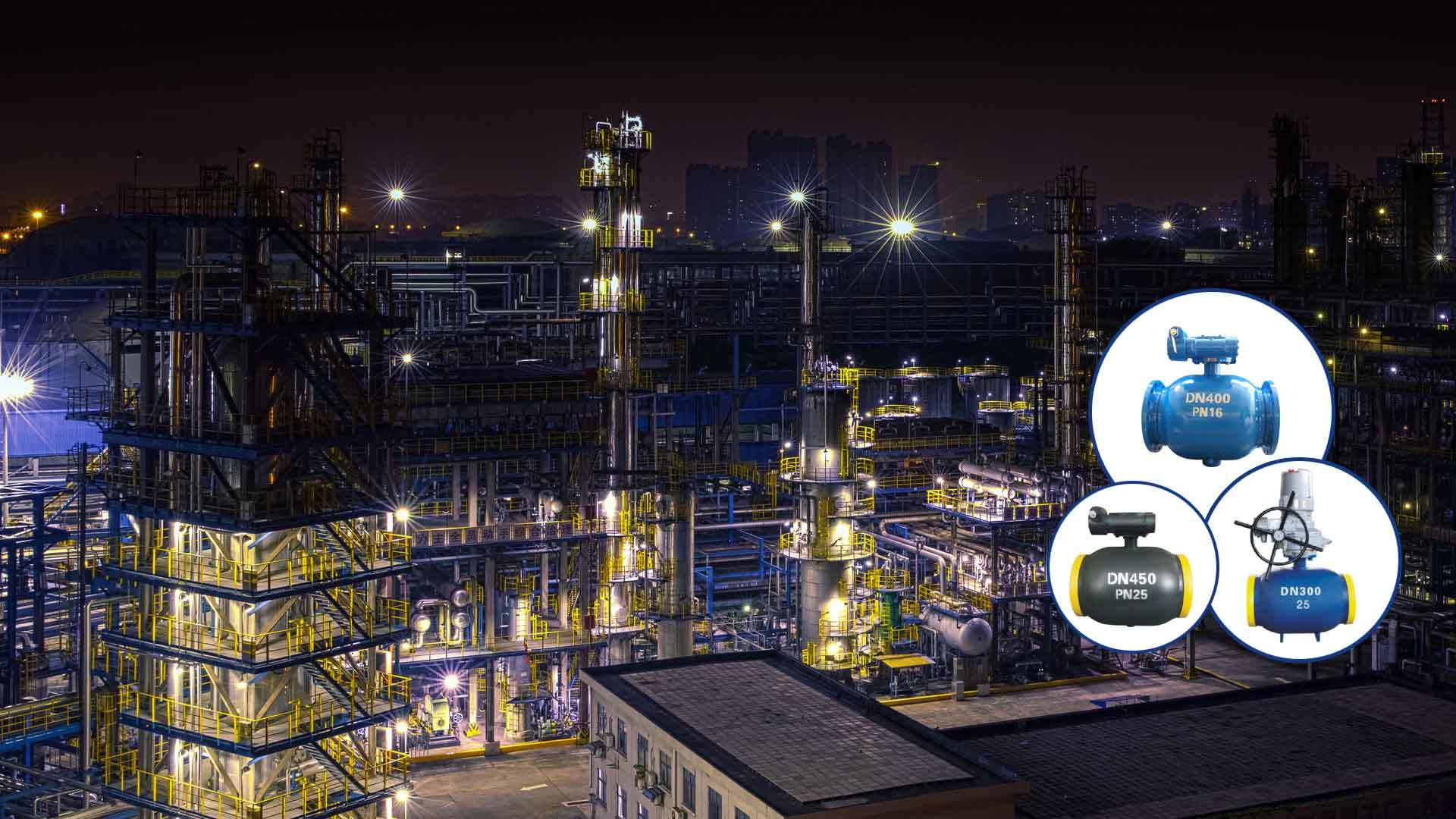
Fully welded ball valves are robust and suitable for demanding power station environments. With welded body construction, these valves offer excellent resistance to high pressures and temperatures. They are often used in critical applications where leakage prevention is crucial.
4. Metal Seated Ball Valve
Metal seated ball valves provide superior sealing performance and resistance to abrasive media. These valves are ideal for power stations where the drained media contains particles or is prone to causing erosion.
Common Challenges Faced and Solutions Offered by Power Station Drain Ball Valves
1. Corrosion Resistance
Power stations often deal with corrosive media. Choosing a drain ball valve made from corrosion-resistant materials, such as stainless steel, can prevent damage, extend the valve's lifespan, and ensure reliable operation.
2. High Temperature and Pressure
Power station processes involve high temperatures and pressures. Selecting a drain ball valve with a suitable pressure and temperature rating ensures safe and efficient operation. Consider specialized materials, such as alloy steel, for extreme conditions.
3. Abrasion and Erosion
Some power station applications involve media containing abrasive particles that can cause valve wear and erosion. Using a metal seated ball valve with a hardened ball and seat can greatly reduce the impact of abrasion, extending the valve's lifespan.
4. Leakage Prevention
Preventing leakage is crucial for safety and environmental protection. Choosing a drain ball valve with reliable sealing materials, such as PTFE or graphite, can minimize the risk of leakage. Regular maintenance and inspection also play a vital role in identifying and addressing any potential leakage issues.
FAQs about Power Station Drain Ball Valves
1. What is the purpose of a drain ball valve in a power station?
A drain ball valve in a power station is used to control and facilitate the drainage of various fluids, including water, steam, or condensate, from the system. It helps maintain the efficiency and safety of the power station by preventing the accumulation of unwanted fluids.
2. Can I use a regular ball valve for draining in a power station?
While regular ball valves may be suitable for some draining applications, it is advisable to use specifically designed power station drain ball valves. These valves are engineered to withstand the unique challenges and requirements of power station environments, ensuring optimal performance and longevity.
3. What are the advantages of using a fully welded ball valve for power station drainage?
Fully welded ball valves offer numerous advantages for power station drainage. They provide exceptional strength, leak-proof performance, and resistance to high pressures and temperatures. Additionally, their welded construction eliminates potential leakage paths, enhancing safety and minimizing maintenance requirements.
4. How often should a power station drain ball valve be maintained?
The maintenance frequency of a power station drain ball valve depends on various factors, including the operating conditions and the valve's design. Regular inspections, lubrication, and cleaning are recommended to ensure optimal performance. Follow the manufacturer's guidelines and consult with maintenance professionals for specific intervals.
5. Can a power station drain ball valve handle both liquids and gases?
Yes, power station drain ball valves can handle both liquids and gases. However, it is essential to select the appropriate valve based on the specific media being drained and its characteristics. Consider factors such as pressure, temperature, and flow requirements to ensure compatibility and optimal performance.
Conclusion
Choosing the right power station drain ball valve is crucial for efficient drainage, optimal performance, and safety. Consider factors such as material, size, pressure rating, temperature range, flow characteristics, and maintenance requirements when selecting a valve. Additionally, be aware of the challenges commonly faced in power station environments, such as corrosion, high temperature, abrasion, and leakage prevention. By following this comprehensive guide, you can make an informed decision and select the perfect drain ball valve for your power station.
1. Introduction: Importance of Choosing the Right Power Station Drain Ball Valve
2. Factors to Consider When Selecting a Power Station Drain Ball Valve
2.1 Material
2.2 Size
2.3 Pressure Rating
2.4 Temperature Range
2.5 Flow Characteristics
2.6 End Connection Type
2.7 Operating Mechanism
2.8 Maintenance Requirements
3. Types of Power Station Drain Ball Valves
3.1 Floating Ball Valve
3.2 Trunnion Ball Valve
3.3 Fully Welded Ball Valve
3.4 Metal Seated Ball Valve
4. Common Challenges Faced and Solutions Offered by Power Station Drain Ball Valves
4.1 Corrosion Resistance
4.2 High Temperature and Pressure
4.3 Abrasion and Erosion
4.4 Leakage Prevention
5. FAQs about Power Station Drain Ball Valves
5.1 What is the purpose of a drain ball valve in a power station?
5.2 Can I use a regular ball valve for draining in a power station?
5.3 What are the advantages of using a fully welded ball valve for power station drainage?
5.4 How often should a power station drain ball valve be maintained?
5.5 Can a power station drain ball valve handle both liquids and gases?
6. Conclusion
Introduction: Importance of Choosing the Right Power Station Drain Ball Valve
In a power station, efficient drainage is crucial for maintaining optimal performance and preventing potential hazards. A power station drain ball valve plays a vital role in this process. Choosing the right valve ensures smooth operation, minimizes downtime, and promotes safety. This article will guide you through the selection process, providing valuable insights into the factors to consider and the different types of drain ball valves available.
Factors to Consider When Selecting a Power Station Drain Ball Valve
1. Material
The choice of material for the drain ball valve depends on the specific requirements of the power station. Common materials include stainless steel, carbon steel, and bronze. Consider factors such as corrosion resistance, temperature, and compatibility with the media being drained.
2. Size
Selecting the appropriate size is crucial to ensure efficient drainage. Consider the flow rate, pipe diameter, and the size of the particles being drained. Oversized valves may result in inefficiency, while undersized valves can cause blockages or pressure drops.
3. Pressure Rating
Power stations often operate at high pressures. It is essential to choose a drain ball valve with a pressure rating that can withstand the specific conditions of your power station. Higher pressure ratings provide increased safety and reliability.
4. Temperature Range
Power stations experience a wide range of temperatures. Ensure that the chosen drain ball valve can handle the highest and lowest temperatures it may encounter. Consider the effects of temperature on the valve's material, seals, and overall performance.
5. Flow Characteristics
Different drain ball valves offer varying flow characteristics, such as full bore or reduced bore. Consider the desired flow rate, turbulence, and pressure drop across the valve. Optimal flow characteristics reduce energy consumption and improve overall system efficiency.
6. End Connection Type
Select the appropriate end connection type based on the power station's piping system. Common options include flanged, threaded, or welded connections. Ensure compatibility and consider the ease of installation and maintenance.
7. Operating Mechanism
Choose an operating mechanism that suits the power station's requirements. Options include manual, electric, or pneumatic actuation. Consider factors such as accessibility, reliability, and ease of operation.
8. Maintenance Requirements
Maintenance is crucial for the long-term performance of a power station drain ball valve. Consider factors such as maintenance frequency, availability of spare parts, and ease of servicing. Valves with minimal maintenance requirements can reduce downtime and overall maintenance costs.
Types of Power Station Drain Ball Valves
1. Floating Ball Valve
The floating ball valve is a commonly used design for power station drain applications. It features a freely moving ball that ensures tight sealing when closed. This valve type provides excellent flow control and is suitable for moderate pressure and temperature environments.
2. Trunnion Ball Valve
Trunnion ball valves have an additional mechanism that supports the ball, reducing the operating torque and increasing the valve's stability. These valves are suitable for high-pressure applications and offer enhanced sealing and control capabilities.
3. Fully Welded Ball Valve
Fully welded ball valves are robust and suitable for demanding power station environments. With welded body construction, these valves offer excellent resistance to high pressures and temperatures. They are often used in critical applications where leakage prevention is crucial.
4. Metal Seated Ball Valve
Metal seated ball valves provide superior sealing performance and resistance to abrasive media. These valves are ideal for power stations where the drained media contains particles or is prone to causing erosion.
Common Challenges Faced and Solutions Offered by Power Station Drain Ball Valves
1. Corrosion Resistance
Power stations often deal with corrosive media. Choosing a drain ball valve made from corrosion-resistant materials, such as stainless steel, can prevent damage, extend the valve's lifespan, and ensure reliable operation.
2. High Temperature and Pressure
Power station processes involve high temperatures and pressures. Selecting a drain ball valve with a suitable pressure and temperature rating ensures safe and efficient operation. Consider specialized materials, such as alloy steel, for extreme conditions.
3. Abrasion and Erosion
Some power station applications involve media containing abrasive particles that can cause valve wear and erosion. Using a metal seated ball valve with a hardened ball and seat can greatly reduce the impact of abrasion, extending the valve's lifespan.
4. Leakage Prevention
Preventing leakage is crucial for safety and environmental protection. Choosing a drain ball valve with reliable sealing materials, such as PTFE or graphite, can minimize the risk of leakage. Regular maintenance and inspection also play a vital role in identifying and addressing any potential leakage issues.
FAQs about Power Station Drain Ball Valves
1. What is the purpose of a drain ball valve in a power station?
A drain ball valve in a power station is used to control and facilitate the drainage of various fluids, including water, steam, or condensate, from the system. It helps maintain the efficiency and safety of the power station by preventing the accumulation of unwanted fluids.
2. Can I use a regular ball valve for draining in a power station?
While regular ball valves may be suitable for some draining applications, it is advisable to use specifically designed power station drain ball valves. These valves are engineered to withstand the unique challenges and requirements of power station environments, ensuring optimal performance and longevity.
3. What are the advantages of using a fully welded ball valve for power station drainage?
Fully welded ball valves offer numerous advantages for power station drainage. They provide exceptional strength, leak-proof performance, and resistance to high pressures and temperatures. Additionally, their welded construction eliminates potential leakage paths, enhancing safety and minimizing maintenance requirements.
4. How often should a power station drain ball valve be maintained?
The maintenance frequency of a power station drain ball valve depends on various factors, including the operating conditions and the valve's design. Regular inspections, lubrication, and cleaning are recommended to ensure optimal performance. Follow the manufacturer's guidelines and consult with maintenance professionals for specific intervals.
5. Can a power station drain ball valve handle both liquids and gases?
Yes, power station drain ball valves can handle both liquids and gases. However, it is essential to select the appropriate valve based on the specific media being drained and its characteristics. Consider factors such as pressure, temperature, and flow requirements to ensure compatibility and optimal performance.
Conclusion
Choosing the right power station drain ball valve is crucial for efficient drainage, optimal performance, and safety. Consider factors such as material, size, pressure rating, temperature range, flow characteristics, and maintenance requirements when selecting a valve. Additionally, be aware of the challenges commonly faced in power station environments, such as corrosion, high temperature, abrasion, and leakage prevention. By following this comprehensive guide, you can make an informed decision and select the perfect drain ball valve for your power station.
Keywords: power station drain ball valve

What we offered to customers shall be our excellent products and distinguished services; our promises to customers shall be above anything else.
Contact Information
Add:Dong'ou Industrial Park (Industrial Park), Yongjia, Zhejiang
sales hotline:86-4009262680
Landline:86-0577-67389088
M.P:86-13819755838
传真:86-0577-67389099
邮箱:sale@cnmxv.cn·
