 sales@cnmxv.cn
 86-577-67389088
Share to




News & Events
Essential Maintenance Guidelines for Controls Ball Valves in Manufacturing Plants
Release time: 2024-04-24
# Introduction
In the fast-paced world of manufacturing, downtime is not an option. That's why it's crucial to have proper maintenance guidelines in place for controls ball valves in manufacturing plants. These valves play a crucial role in controlling the flow of liquids and gases in various industrial processes. In this comprehensive guide, we will explore the best practices for maintaining controls ball valves to ensure their longevity and reliability.
## What are Controls Ball Valves?
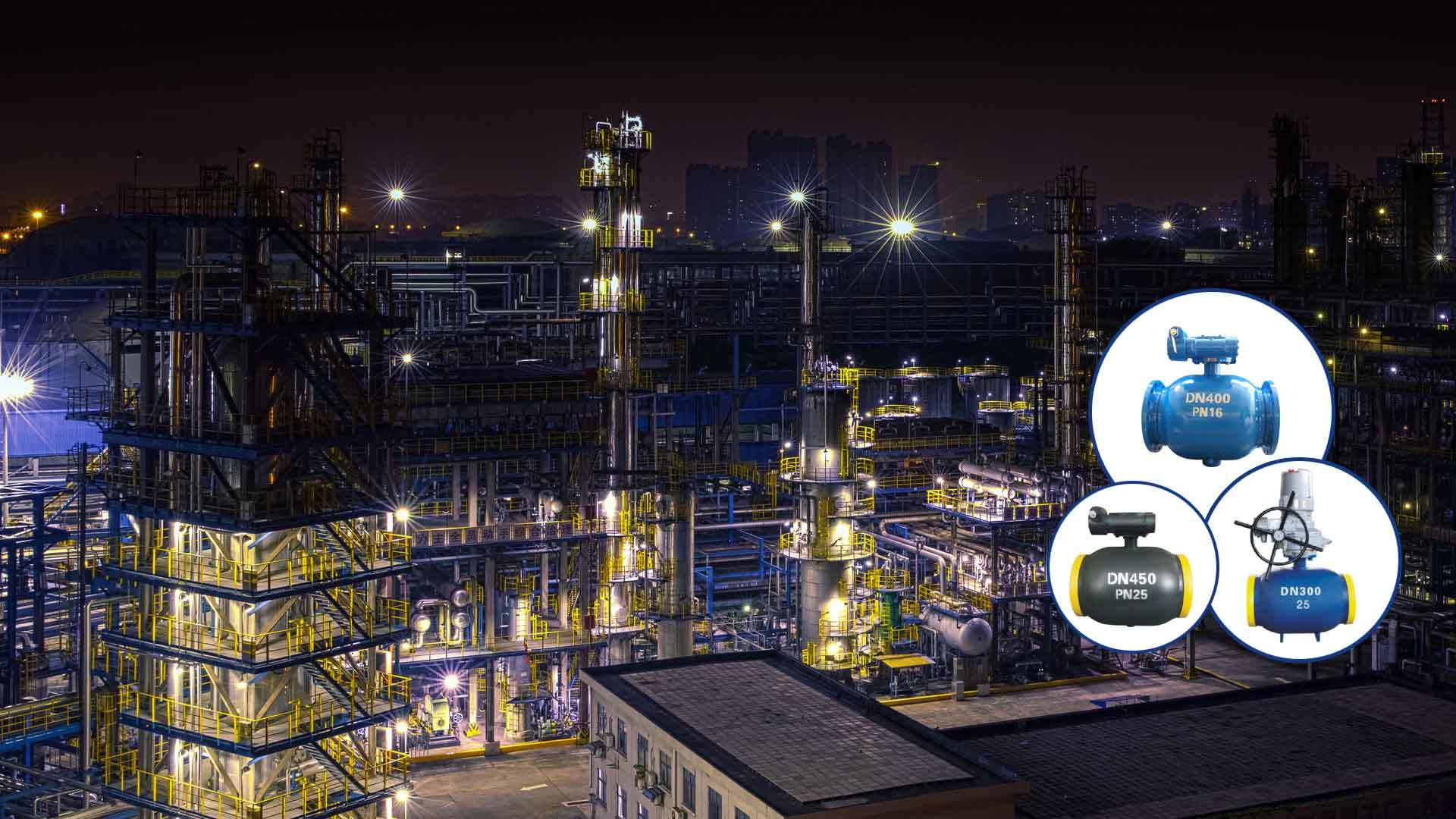
Controls ball valves are essential components in manufacturing plants that regulate the flow of fluids through pipes. They consist of a spherical closure unit that allows for precise control over the flow rate. These valves are commonly used in industries such as oil and gas, chemical, and pharmaceuticals, where accurate flow control is critical for efficient operations.
### Importance of Regular Maintenance
Proper maintenance of controls ball valves is essential to prevent leakage, ensure smooth operation, and extend the lifespan of the valves. Neglecting maintenance can lead to costly repairs, production downtime, and safety hazards in the plant. By following the recommended maintenance guidelines, plant operators can keep their valves in optimal condition and avoid costly disruptions.
#### Maintenance Checklist for Controls Ball Valves
1. Regular Inspections: Perform visual inspections of valves for signs of wear, corrosion, or damage.
2. Lubrication: Keep valves properly lubricated to prevent sticking or seizing.
3. Leakage Checks: Conduct regular leakage tests to ensure valves are sealing properly.
4. Cleaning: Remove dirt, debris, and contaminants from valves to prevent blockages.
5. Replacement of Parts: Replace worn-out or damaged parts to maintain optimal valve performance.
##### FAQs about Controls Ball Valves Maintenance
Q: How often should controls ball valves be inspected?
A: Valves should be inspected at least once a year, with more frequent inspections for high-use valves.
Q: What type of lubricant should be used for controls ball valves?
A: Use a high-quality, compatible lubricant recommended by the valve manufacturer.
Q: How can I prevent leakage in controls ball valves?
A: Ensure proper installation, regular maintenance, and timely replacement of worn-out seals.
Q: What are the common causes of valve failure?
A: Corrosion, wear, improper installation, and lack of maintenance are common causes of valve failure.
Q: Is it possible to repair controls ball valves, or should they be replaced?
A: Minor repairs can be made to controls ball valves, but extensive damage may require replacement.
# Conclusion
In conclusion, proper maintenance of controls ball valves is essential for ensuring smooth operations in manufacturing plants. By following the recommended guidelines for inspection, lubrication, and cleaning, plant operators can prevent costly downtime and extend the lifespan of their valves. Regular maintenance not only improves the efficiency of valves but also enhances the overall safety and reliability of the plant. Remember, a well-maintained controls ball valve is a key factor in the successful operation of any manufacturing facility.
In the fast-paced world of manufacturing, downtime is not an option. That's why it's crucial to have proper maintenance guidelines in place for controls ball valves in manufacturing plants. These valves play a crucial role in controlling the flow of liquids and gases in various industrial processes. In this comprehensive guide, we will explore the best practices for maintaining controls ball valves to ensure their longevity and reliability.
## What are Controls Ball Valves?
Controls ball valves are essential components in manufacturing plants that regulate the flow of fluids through pipes. They consist of a spherical closure unit that allows for precise control over the flow rate. These valves are commonly used in industries such as oil and gas, chemical, and pharmaceuticals, where accurate flow control is critical for efficient operations.
### Importance of Regular Maintenance
Proper maintenance of controls ball valves is essential to prevent leakage, ensure smooth operation, and extend the lifespan of the valves. Neglecting maintenance can lead to costly repairs, production downtime, and safety hazards in the plant. By following the recommended maintenance guidelines, plant operators can keep their valves in optimal condition and avoid costly disruptions.
#### Maintenance Checklist for Controls Ball Valves
1. Regular Inspections: Perform visual inspections of valves for signs of wear, corrosion, or damage.
2. Lubrication: Keep valves properly lubricated to prevent sticking or seizing.
3. Leakage Checks: Conduct regular leakage tests to ensure valves are sealing properly.
4. Cleaning: Remove dirt, debris, and contaminants from valves to prevent blockages.
5. Replacement of Parts: Replace worn-out or damaged parts to maintain optimal valve performance.
##### FAQs about Controls Ball Valves Maintenance
Q: How often should controls ball valves be inspected?
A: Valves should be inspected at least once a year, with more frequent inspections for high-use valves.
Q: What type of lubricant should be used for controls ball valves?
A: Use a high-quality, compatible lubricant recommended by the valve manufacturer.
Q: How can I prevent leakage in controls ball valves?
A: Ensure proper installation, regular maintenance, and timely replacement of worn-out seals.
Q: What are the common causes of valve failure?
A: Corrosion, wear, improper installation, and lack of maintenance are common causes of valve failure.
Q: Is it possible to repair controls ball valves, or should they be replaced?
A: Minor repairs can be made to controls ball valves, but extensive damage may require replacement.
# Conclusion
In conclusion, proper maintenance of controls ball valves is essential for ensuring smooth operations in manufacturing plants. By following the recommended guidelines for inspection, lubrication, and cleaning, plant operators can prevent costly downtime and extend the lifespan of their valves. Regular maintenance not only improves the efficiency of valves but also enhances the overall safety and reliability of the plant. Remember, a well-maintained controls ball valve is a key factor in the successful operation of any manufacturing facility.
Keywords: controls ball valves

What we offered to customers shall be our excellent products and distinguished services; our promises to customers shall be above anything else.
Contact Information
Add:Dong'ou Industrial Park (Industrial Park), Yongjia, Zhejiang
sales hotline:86-4009262680
Landline:86-0577-67389088
M.P:86-13819755838
传真:86-0577-67389099
邮箱:sale@cnmxv.cn·
