 sales@cnmxv.cn
 86-577-67389088
Share to




News & Events
Engineering Excellence: Fully-welded Steel Ball Valves Redefining Industry Standards
Release time: 2024-07-29
Engineering Excellence: Fully-welded Steel Ball Valves Redefining Standards
Table of Contents
1. Introduction to Fully-welded Steel Ball Valves
2. What Are Fully-welded Steel Ball Valves?
3. Key Advantages of Fully-welded Steel Ball Valves
1. Unmatched Durability
2. Superior Performance in Fluid Control
3. Cost-Effectiveness Over Time
4. Applications of Fully-welded Steel Ball Valves
5. Innovative Technologies in Steel Ball Valve Manufacturing
1. Advanced Welding Techniques
2. Stringent Quality Control Processes
6. Best Practices for Installation and Maintenance
1. Installation Tips for Optimal Performance
2. Essential Maintenance Protocols
7. Future Trends in Valve Technology
8. Frequently Asked Questions
9. Conclusion
Introduction to Fully-welded Steel Ball Valves
In the realm of industrial equipment and components, **fully-welded steel ball valves** have emerged as essential players in the field of fluid control. These advanced valves are designed to offer superior reliability and performance in a variety of demanding environments. As industries increasingly prioritize **efficiency and safety**, fully-welded steel ball valves are becoming the go-to choice for professionals seeking cutting-edge solutions.
In this article, we will explore the intricacies of fully-welded steel ball valves, the myriad of their advantages, their applications, and the innovative technologies that drive their production. Our goal is to present a comprehensive understanding of how these valves are redefining industry standards.
What Are Fully-welded Steel Ball Valves?
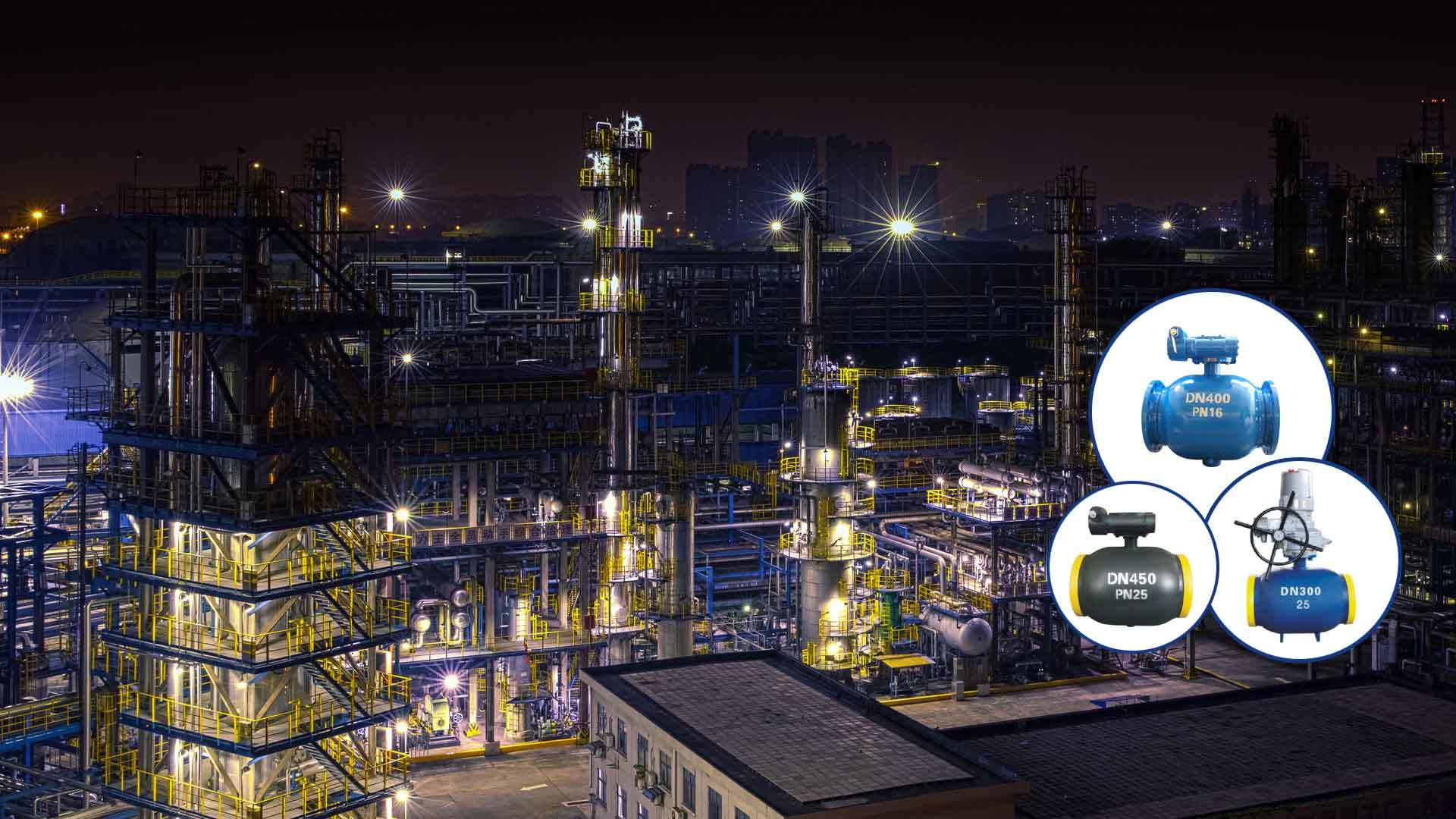
Fully-welded steel ball valves are a type of valve where the body and end connections are welded together, providing a robust and leak-proof sealing mechanism. Unlike traditional valves, which may use gaskets or seals that can wear out over time, the welded construction ensures a longer lifespan and reduced maintenance needs.
The core component of a fully-welded ball valve is the spherical disc, or ball, which controls the flow of fluid through the valve. When the valve is open, the ball rotates to allow fluid to pass through; when closed, it seals tightly against the valve seat, preventing any leakage.
Key Advantages of Fully-welded Steel Ball Valves
The increasing adoption of fully-welded steel ball valves can be attributed to their significant advantages over traditional valve designs. Below, we explore some of these key benefits in detail.
Unmatched Durability
One of the standout features of fully-welded steel ball valves is their **exceptional durability**. The welded construction eliminates the risk of leakage that often arises from mechanical seals or gaskets. This durability makes them ideal for high-pressure and high-temperature applications, where reliability is paramount. Industries such as oil and gas, water treatment, and chemical processing often rely on these valves to withstand harsh conditions.
Superior Performance in Fluid Control
Fully-welded steel ball valves provide **superior performance** compared to traditional valves. Their design allows for minimal flow resistance, ensuring efficient fluid passage. The smooth surface of the ball also reduces turbulence, enhancing the overall performance of the system. This level of performance is crucial for applications where flow rates and pressures need to be precisely controlled.
Cost-Effectiveness Over Time
Although fully-welded steel ball valves may come with a higher initial purchase price, their **long-term cost-effectiveness** is undeniable. The reduced need for maintenance and replacement, coupled with their longevity, leads to significant savings over time. Industries that rely on these valves often report lower total operational costs, making them a smart investment.
Applications of Fully-welded Steel Ball Valves
Fully-welded steel ball valves are versatile components suitable for a wide range of applications. Their reliability and efficiency make them the preferred choice in various sectors, including:
- **Oil and Gas:** Used in exploration, production, and transportation of hydrocarbons.
- **Water Treatment:** Essential for controlling the flow of water and wastewater.
- **Chemical Processing:** Employed in transporting corrosive substances safely.
- **Power Generation:** Utilized in steam and cooling systems for optimal performance.
- **Food and Beverage:** Ensures sanitary conditions in fluid handling processes.
Innovative Technologies in Steel Ball Valve Manufacturing
The evolution of fully-welded steel ball valves has been driven by advancements in manufacturing technologies. These innovations ensure that the valves meet increasingly stringent industry standards.
Advanced Welding Techniques
Modern manufacturing methods utilize **advanced welding techniques** that enhance the integrity and strength of the valve. Techniques such as **TIG welding** and **laser welding** produce high-quality welds that can withstand extreme conditions, ensuring the longevity and reliability of the valve.
Stringent Quality Control Processes
To maintain industry-leading standards, manufacturers implement **stringent quality control processes** throughout production. Each valve undergoes rigorous testing for leaks, pressure resistance, and performance to ensure it meets the required specifications. These quality measures guarantee that the end product is not only reliable but also safe to use in critical applications.
Best Practices for Installation and Maintenance
Proper installation and maintenance are crucial for maximizing the performance of fully-welded steel ball valves. Below are some best practices to follow.
Installation Tips for Optimal Performance
1. **Review Specifications:** Always refer to manufacturer specifications before installation to ensure compatibility with the system.
2. **Use Correct Tools:** Employ appropriate tools for installation to avoid damaging the valve.
3. **Check for Debris:** Ensure that the pipeline is clear of any debris before installing the valve to prevent blockages.
Essential Maintenance Protocols
1. **Regular Inspections:** Conduct routine inspections to identify any signs of wear or damage.
2. **Clean the Valve:** Keep the valve clean from any contaminants that may affect its performance.
3. **Monitor Performance:** Keep track of flow rates and pressure to detect any anomalies early.
Future Trends in Valve Technology
As industries continue to evolve, so do the technologies behind fully-welded steel ball valves. Some future trends include:
1. **Smart Valve Technology:** Integration of IoT sensors for real-time monitoring and control.
2. **Sustainability:** Increased focus on environmentally friendly manufacturing processes and materials.
3. **Enhanced Materials:** Development of new alloys and coatings to improve corrosion resistance and performance.
Frequently Asked Questions
1. What is the lifespan of fully-welded steel ball valves?
The lifespan can vary based on application conditions, but they are designed to last for decades with minimal maintenance.
2. Can fully-welded steel ball valves be used in corrosive environments?
Yes, when constructed with the appropriate materials and coatings, fully-welded steel ball valves can effectively handle corrosive substances.
3. How do I know if a fully-welded steel ball valve is suitable for my application?
Consulting with a valve specialist or manufacturer can provide insights into the right valve for your specific requirements.
4. Are fully-welded steel ball valves more expensive than traditional valves?
While they may have a higher upfront cost, their durability and lower maintenance needs often make them more cost-effective in the long run.
5. What types of industries benefit from fully-welded steel ball valves?
Industries such as oil and gas, water treatment, chemical processing, power generation, and food and beverage all benefit from these valves.
Conclusion
Fully-welded steel ball valves represent a significant advancement in industrial fluid control technology. Their outstanding benefits, including unmatched durability, superior performance, and long-term cost-effectiveness, make them an essential component in various applications. With ongoing innovations in manufacturing and technology, these valves are set to redefine industry standards further.
As industries continue to evolve, fully-welded steel ball valves will undoubtedly play a pivotal role in shaping the future of fluid control systems. By investing in these engineering marvels, companies can ensure reliable, efficient, and effective operations in a rapidly changing landscape.
Keywords: Fully-welded Steel Ball Valve

What we offered to customers shall be our excellent products and distinguished services; our promises to customers shall be above anything else.
Contact Information
Add:Dong'ou Industrial Park (Industrial Park), Yongjia, Zhejiang
sales hotline:86-4009262680
Landline:86-0577-67389088
M.P:86-13819755838
传真:86-0577-67389099
邮箱:sale@cnmxv.cn·
